

BHRT BLOG SERIES: LET’S TALK ESTROGEN
Part 1: Why Estrogen Matters
Understanding Estrogen During Perimenopause and Menopause
Estrogen is one of the key hormones involved in women’s health. During perimenopause and postmenopause, estrogen levels naturally fluctuate and then decline. These hormonal changes may contribute to symptoms such as hot flashes, night sweats, mood changes, sleep disruption, vaginal dryness, urinary changes, and thinning skin.
Understanding estrogen’s role may help patients have more productive conversations with their healthcare providers about symptoms, testing, treatment options, and medication consistency.
What Does Estrogen Do in the Body?
Estrogen is often associated with reproductive health, but it also plays a role in many other systems. Estrogen receptors are found throughout the body, which is why changes in estrogen levels may affect more than menstrual cycles.
Estrogen may play a role in:
- Bone density and bone strength
- Vaginal tissue health
- Urinary tract comfort
- Skin thickness and elasticity
- Temperature regulation
- Mood and sleep patterns
- Cholesterol balance
- Heart and blood vessel health
Every woman’s experience is different. Some may have mild symptoms during menopause, while others may notice changes that affect daily comfort, sleep, intimacy, or quality of life.
Estrogen During Perimenopause
Perimenopause is the transition leading up to menopause. During this time, estrogen levels may rise and fall unpredictably. Because of these fluctuations, symptoms may come and go.
Common symptoms during perimenopause may include:
- Hot flashes
- Night sweats
- Irregular periods
- Mood changes
- Sleep disruption
- Brain fog or memory concerns
- Vaginal dryness
- Changes in skin texture
- Lower libido
These symptoms may overlap with other health conditions, so it is important for patients to discuss changes with a qualified healthcare provider.
Estrogen After Menopause
Menopause is typically defined as 12 consecutive months without a menstrual period. After menopause, estrogen levels remain lower than they were during the reproductive years.
Lower estrogen levels may contribute to changes in vaginal tissue, urinary tract comfort, bone density, and skin integrity. For some women, symptoms may improve over time. For others, symptoms may continue for years after menopause.
This is why menopause care is not one-size-fits-all. A provider may review symptoms, health history, personal risk factors, and lab work when appropriate.
Why Consistency Matters in Hormone Therapy Conversations
When a healthcare provider recommends hormone therapy, consistency is often an important part of the treatment plan. Missed doses, product changes, or gaps in therapy may affect how patients feel and may make it harder for providers to evaluate whether a regimen is appropriate.
Some patients have experienced challenges obtaining certain commercially available hormone products because of supply disruptions, backorders, or changes in manufacturer availability. For example, a patient using an estrogen patch may be switched between manufacturers or may have difficulty filling the prescription consistently.
These interruptions are worth discussing with a healthcare provider. Depending on the patient’s needs, medical history, and prescription, a provider may consider different delivery methods or compounded preparations when commercially available products are unavailable or not meeting patient-specific needs.
Estrogen and Bone Health
Estrogen helps regulate the natural process of bone remodeling. When estrogen levels decline, bone loss may accelerate in some women. Over time, this may increase the risk of osteopenia or osteoporosis.
Bone health conversations during menopause may include:
- Bone density screening
- Calcium and vitamin D intake
- Weight-bearing exercise
- Fall prevention
- Medication options when appropriate
- Hormone therapy considerations for select patients
Estrogen is only one part of bone health, but it is an important factor to discuss during midlife and postmenopause.
Estrogen and Vaginal Health
Lower estrogen levels may affect vaginal tissue by contributing to dryness, thinning, irritation, or discomfort with intimacy. These changes are often part of genitourinary syndrome of menopause, sometimes called GSM.
Symptoms may include:
- Vaginal dryness
- Burning or irritation
- Discomfort with intimacy
- Urinary urgency
- Recurrent urinary discomfort
- Changes in vaginal tissue elasticity
Estrogen and Urinary Tract Health
Estrogen may also affect tissues around the urethra and bladder. As estrogen levels decline, some women may notice urinary urgency, frequency, or discomfort.
Estrogen and Skin Integrity
Many women notice changes in their skin during perimenopause or after menopause. Lower estrogen levels may contribute to thinner skin, dryness, reduced elasticity, or changes in texture.
Estrogen, Mood, Sleep, and Temperature Regulation
Hot flashes and night sweats are among the most recognized menopause symptoms. These symptoms may interfere with sleep, which may then affect mood, focus, and energy.
Some women also report mood swings, irritability, or memory concerns during perimenopause.
These symptoms may be related to hormonal changes, sleep disruption, stress, or other medical factors.
Patients experiencing significant changes in mood, sleep, or cognition should discuss these symptoms with their provider.
When to Talk With a Healthcare Provider
Patients may want to speak with a healthcare provider if they are experiencing:
- Hot flashes or night sweats affecting sleep
- Vaginal dryness or discomfort
- Urinary changes
- Mood changes
- Brain fog or memory concerns
- Skin thinning or dryness
- Changes in libido
- Concerns about bone health
- Questions about hormone therapy
- Difficulty obtaining a prescribed hormone product consistently
A provider may help determine whether symptoms are related to menopause, another health condition, medication access issues, or a combination of factors.
How a Compounding Pharmacy May Fit Into the Conversation
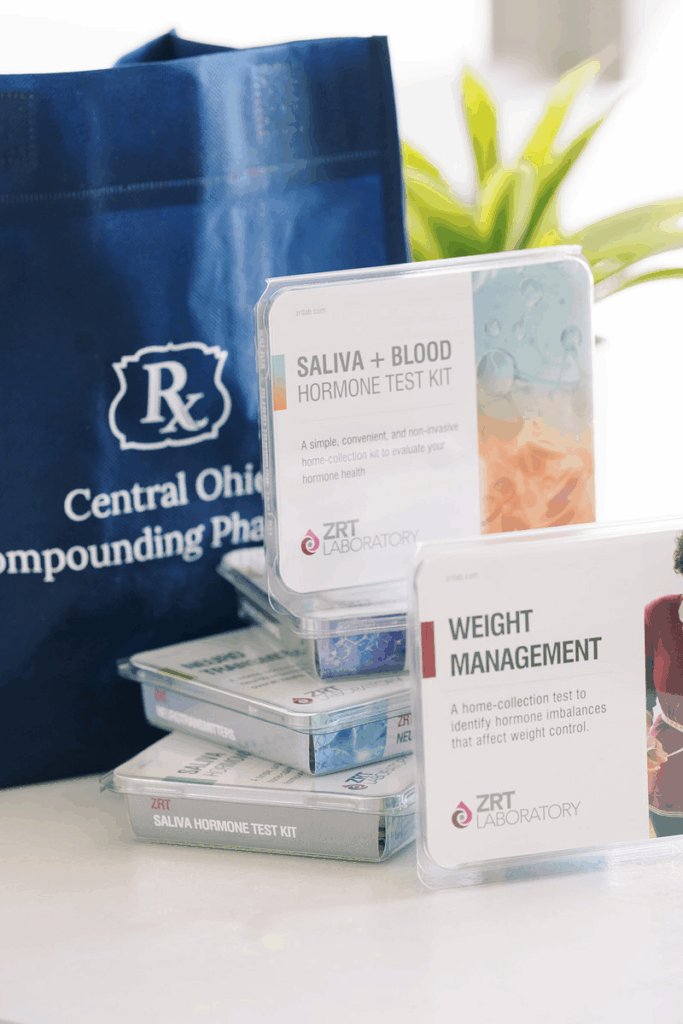
For some patients, commercially available hormone therapy options may not meet their needs due to dosage, delivery method, ingredient sensitivities, or availability concerns. In those cases, a provider may discuss compounded options.
At Central Ohio Compounding Pharmacy in Worthington & District Arena, Ohio, we work with prescribers and patients to prepare medications based on individual prescriptions. This may include hormone-related preparations when prescribed by a licensed healthcare provider. Fast shipping is available statewide, throughout Ohio. Ask a pharmacist to learn more.

If you need guidance through your journey in perimenopause or menopause, we’re here to help. Schedule a private consultation with our hormone pharmacist, Lucy to get started.

Next in the Series: Part 2: Estrogen Patches vs. Creams
The next blog will discuss estrogen delivery methods, including patches and topical creams, and why consistent dosing may matter when a provider recommends hormone therapy.
Are You Affected by the Estradiol Patch Shortage?
Some patients have experienced difficulty obtaining certain estradiol patches due to manufacturer backorders, supply disruptions, or availability changes. Inconsistent access to hormone therapy may lead to interruptions in treatment and the return of symptoms for some patients.
If your prescribed hormone product has become difficult to obtain, speak with your healthcare provider or pharmacist about available options. Depending on your prescription and individual needs, alternative delivery methods or compounded preparations may be considered when appropriate.
At Central Ohio Compounding Pharmacy in Worthington, Ohio, we work with providers and patients to help support continuity of care when commercially available medications are unavailable.
Frequently Asked Questions About Estrogen and Menopause
What happens to estrogen during menopause?
During perimenopause, estrogen levels may fluctuate. After menopause, estrogen levels generally remain lower than they were during the reproductive years.
What are common symptoms associated with lower estrogen?
Symptoms may include hot flashes, night sweats, vaginal dryness, urinary changes, mood changes, sleep disruption, thinning skin, and changes in libido.
Why is consistency important with hormone therapy?
Consistency may matter because missed doses, product changes, or therapy interruptions may affect symptoms and make it harder for a provider to evaluate the treatment plan.
What should I do if my estrogen patch or hormone product is unavailable?
Patients should contact their healthcare provider or pharmacist. A provider may discuss available alternatives, including different commercially available products or compounded preparations when appropriate.
Does estrogen affect bone health?
Yes, estrogen plays a role in bone remodeling. Lower estrogen levels after menopause may contribute to bone loss in some women.
Does estrogen affect vaginal and urinary health?
Lower estrogen levels may affect the tissues of the vagina, vulva, urethra, and bladder. Some women may experience vaginal dryness, discomfort, urinary urgency, or recurrent urinary concerns.
References
- American Society of Health-System Pharmacists. (n.d.). Drug shortage detail: Estradiol transdermal system. Link
- Baker, F. C. (2023). Optimizing sleep across the menopausal transition. Menopause, 30(9), 955–957. Link
- Freedman, M. A. (2002). Quality of life and menopause: the role of estrogen. Journal of women’s health, 11(8), 703-718. Link
- Joffe, H., Crawford, S., Economou, N., et al. (2023). It’s not just about the hot flashes: Menopausal hormone changes and sleep disturbance. The Journal of Clinical Endocrinology & Metabolism, 108(2), e25–e35. Link
- Kim, H. K., & Kang, S. Y. (2015). The recent review of the genitourinary syndrome of menopause. Journal of Menopausal Medicine, 21(2), 65–71. Link
- Liu, T., Li, N., Yan, Y. Q., et al. (2020). Recent advances in the anti-aging effects of phytoestrogens on collagen, water content, and oxidative stress. Phytotherapy Research, 34(3), 435–447. Link
- Lobo, R. A. (2021). Hormone therapy in menopause: Concepts, controversies, and approach to treatment. Endocrine Reviews, 42(6), 720–752. Link
- Nie, G., Yang, X., Wang, Y., et al. (2022). The effects of menopause hormone therapy on lipid profile in postmenopausal women: A systematic review and meta-analysis. Frontiers in Pharmacology, 13, 850815. Link
- Sacco, S. M., & Ward, W. E. (2010). Revisiting estrogen: Efficacy and safety for postmenopausal bone health. Nutrients, 2(10), 1063–1083. Link