
BHRT Creams for Perimenopause: Estriol, Estradiol & Progesterone
If you’ve started noticing changes in sleep, mood, cycle patterns, or vaginal comfort, you’re not alone. Perimenopause often brings shifting hormone patterns that don’t follow a predictable path. And for many women in Worthington, Columbus, and across Central Ohio, standard approaches may not fully reflect what’s happening in the body.
This is where provider-guided, compounded hormone creams — using estriol, estradiol, and progesterone — may offer a more adaptable way to support these changes.
At Central Ohio Compounding Pharmacy, we work directly with local gynecologists and hormone specialists to prepare customized formulations. These prescriptions are tailored to each patient’s hormone patterns, sensitivities, and preferences.

What is BHRT for perimenopause?
BHRT for perimenopause refers to the use of bioidentical hormones, such as estradiol, estriol, and progesterone, that may be customized based on individual needs and prescribed by a healthcare provider.
Why Perimenopause Feels Different for Every Woman
Perimenopause isn’t a single event — it’s a transition. And during this time, hormone levels don’t decline in a straight line.
- Estradiol may fluctuate week to week — sometimes high, sometimes low
- Estriol tends to decline more gradually over time
- Progesterone often drops earlier due to irregular ovulation
Because these hormones shift independently, symptoms can feel inconsistent or unpredictable. One week may feel manageable, while the next brings sleep disruption, irritability, or cycle changes.
These patterns are normal — but that doesn’t mean they’re easy to live with.
How These Hormone Changes May Affect Daily Life
Women in Columbus, Worthington, and throughout Central Ohio often describe these changes as subtle at first, then increasingly noticeable:
- Difficulty falling asleep or waking during the night
- Mood swings, anxiety, or feeling emotionally overwhelmed
- Irregular or skipped periods
- Nighttime warmth or mild hot flashes
- Fluctuating energy levels
- Vaginal dryness or discomfort
- Skin and hair changes
If these symptoms are starting to interfere with how you feel day-to-day, it may be time to explore your options with a provider.
Why doesn’t standard hormone therapy always work in perimenopause?
Many women begin with lifestyle changes or over-the-counter products. While these may help, they don’t always reflect the complexity of hormone fluctuations during perimenopause.
Standard hormone therapy options often:
- Use fixed doses
- Focus on one hormone at a time
- Offer limited flexibility in adjustment
However, perimenopause is dynamic — not static.
Because perimenopause involves changing hormone patterns, fixed-dose therapies may not always align with what the body needs in real time.
Why Adjustability Matters in Perimenopause
Because hormone patterns may shift during perimenopause, providers sometimes adjust therapy over time based on symptom changes.
- Symptoms may shift before a fixed therapy can be adjusted
- One hormone may need modification while another remains stable
- Sensitivities to dosing or delivery methods may change over time
Compounded hormone therapy allows providers to adjust:
- Strength
- Ratios
- Delivery method
This flexibility supports a more individualized approach — especially during transitional phases.
What Is Bioidentical Hormone Therapy (BHRT)?
In personalized care plans, clinicians may discuss bioidentical hormone therapy or BHRT.
BHRT uses hormones that are structurally identical to those naturally produced by the body — such as estradiol, estriol, and progesterone.
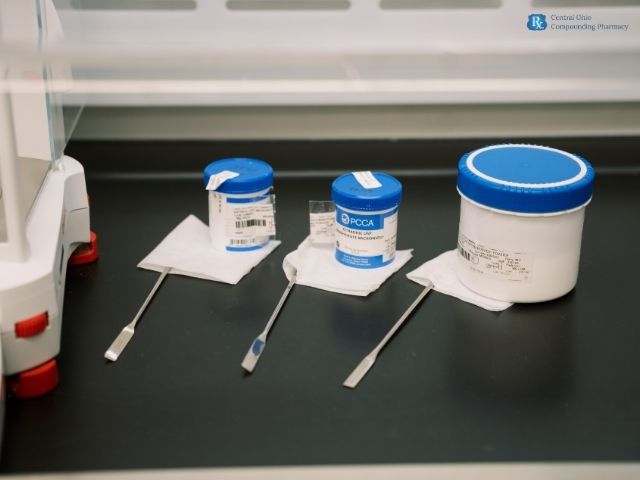
When prescribed and prepared through compounding, BHRT allows providers to:
- Adjust hormone strengths as needed
- Combine multiple hormones in specific ratios
- Select delivery methods based on patient preference
Rather than fitting the patient into a standard formula, the formulation is designed around the individual.
How Compounded Hormone Creams Support Personalization
For many women, topical preparations may offer an alternative to oral medications.
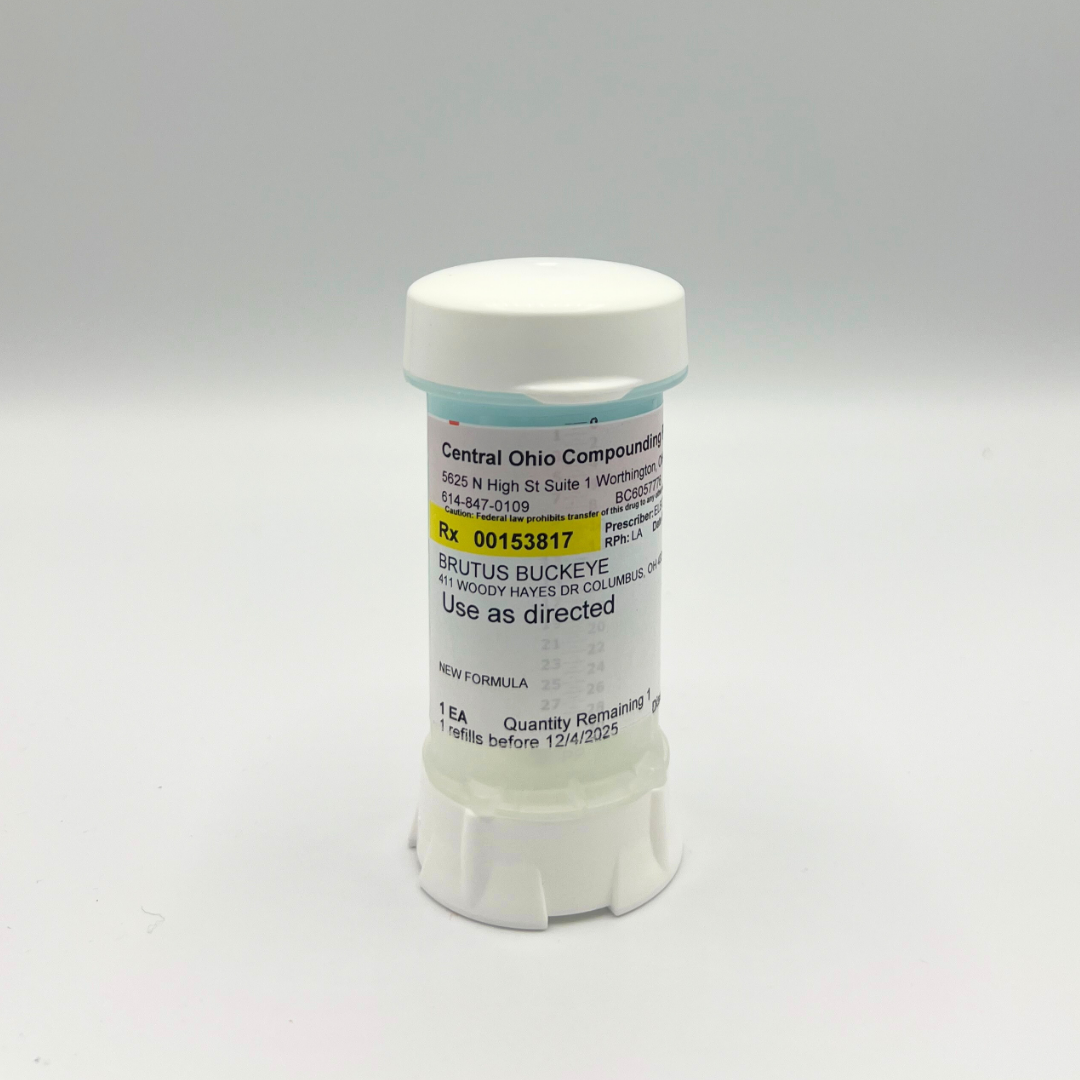
Compounded hormone creams are applied to the skin and absorbed transdermally. This approach may be considered when:
- Oral options are not preferred
- Sensitive dosing adjustments are needed
- Multiple hormones need to be combined
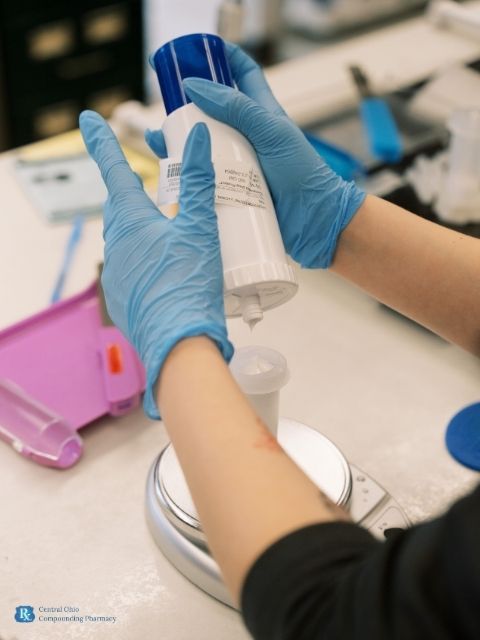
With compounding, providers can adjust:
- Estriol-to-estradiol ratios
- Progesterone levels
- Base formulations for sensitive skin
These formulations allow providers to modify hormone combinations based on individual needs.
Compounded Creams vs Standard Hormone Therapy Options
| Option | Key Characteristics |
|---|---|
| Oral therapy | Processed through the liver; fixed dosing |
| Patches | Consistent delivery but limited customization |
| Commercial creams | Limited strengths and base options |
| Compounded creams | Customized dosing, ratios, and formulation |
In practice: When standard options do not align with individual needs, compounded creams may offer additional flexibility.
Who May Be a Candidate for Compounded Hormone Creams
Providers in Columbus, Worthington, and surrounding areas may consider this approach for individuals who:
- Experience fluctuating or layered symptoms
- Are sensitive to standard hormone products
- Prefer topical over oral delivery
- Need dose adjustments not available commercially
Every care plan begins with a provider evaluation to determine what approach may be appropriate.
How Providers Decide on Compounded BHRT
Therapy decisions are typically based on:
- Symptom patterns
- Medical history
- Hormone trends (when evaluated)
- Patient preferences and sensitivities
Providers evaluate symptoms, medical history, and preferences, then adjust formulations over time based on patient response.
At Central Ohio Compounding Pharmacy, we support providers throughout this process by preparing formulations exactly as prescribed and adjusting them as care plans evolve.
Understanding the Role of Estriol, Estradiol, and Progesterone
Hormones don’t act in isolation. As levels shift over time, they can influence everything from tissue health to sleep patterns and overall comfort. Research has explored how estriol, estradiol, and progesterone each play a different role in that process.
Estriol
Estriol is often discussed for its more localized effects, particularly when it comes to vaginal tissue. In menopausal populations, one study (Cano et al., 2012) has observed:
- Changes in vaginal epithelial maturation
- Support for a more balanced vaginal pH
- Associations with improved vaginal comfort
What This Means: Estriol may be considered when the goal is localized support for vaginal tissue health and comfort.
Estradiol
Estradiol is the body’s primary form of estrogen and plays a broader role in how tissues maintain structure and function. An analysis (Srinivasan et al., 2022) has shown:
- Changes in the vaginal environment, including pH and microbial balance
- Activity at the cellular level through estrogen receptors
- Connection with maintaining overall vaginal and tissue health
What This Means: Estradiol may be included when broader estrogen support is needed, particularly when changes extend beyond localized tissue concerns.
Common Questions About Estriol–Estradiol Cream
What is estriol–estradiol cream used for?
Estriol–estradiol cream is a compounded topical formulation that may be prescribed as part of hormone therapy. It is often discussed in the context of supporting vaginal and tissue-related changes associated with menopause or perimenopause, depending on provider evaluation. The specific use may vary based on individual symptoms and hormone patterns.
What’s the difference between estriol and estradiol?
Estriol and estradiol are both forms of estrogen, but they differ in how they function in the body. Estradiol is the primary and more active form of estrogen, while estriol is often described as having more localized effects, particularly in vaginal tissue. In some cases, providers may combine them in specific ratios to align with individual needs.
How long does it take to notice changes from estriol–estradiol cream?
Where is estriol–estradiol cream applied?
Application depends on how the medication is prescribed. Some formulations are designed for vaginal use, while others may be applied topically to specific areas of the body. Following prescriber instructions is important to support consistent use and appropriate absorption.
Progesterone
Progesterone works differently from estrogen and is often described in terms of balance and regulation.
What is progesterone cream used for?
Progesterone cream is a topical formulation that may be prescribed as part of hormone therapy to help address hormone changes during perimenopause, depending on provider guidance.
It’s been studied (Nolan et al., 2020b) for how it interacts with the brain and hormonal systems, including:
- Engagement with calming neurological pathways
- Role in balancing estrogen activity
- Relationship with sleep patterns and overall restfulness
What This Means: Progesterone may be considered as part of a balanced hormone approach.
Common Questions About Progesterone Cream
Does progesterone cream help sleep?
Progesterone is a hormone involved in the body’s natural balance and has been studied for its interaction with pathways related to rest and relaxation. During perimenopause, shifting progesterone levels may be associated with sleep changes. In some cases, a healthcare provider may include progesterone therapy as part of a broader plan. Individual responses vary, and outcomes may depend on factors like dosing and overall hormone patterns.
How long does it take to notice changes from progesterone cream?
The time to notice changes with progesterone cream may vary. Some individuals report gradual changes within a few weeks, while others may require longer periods and dose adjustments. Because hormone levels vary during perimenopause, providers often monitor symptoms and adjust therapy over time to align with individual needs.
Where should progesterone cream be applied?
Progesterone cream is typically applied to areas such as the inner arms, inner thighs, or lower abdomen, depending on provider guidance. These locations may support consistent absorption. Following prescribed instructions is important, as changing application sites or routines may affect how the medication is absorbed.
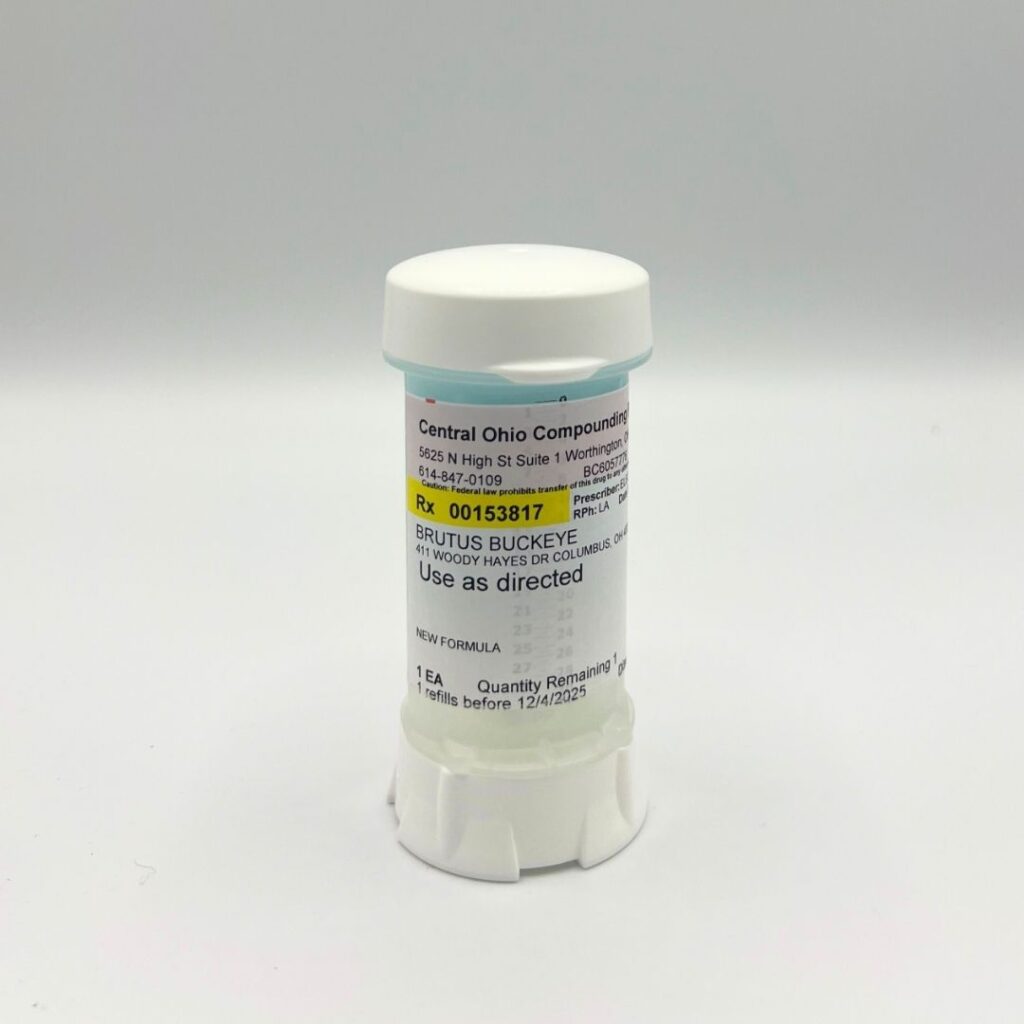
With clinical guidance from your gynecologist, compounded estriol-estradiol or progesterone cream may offer a personalized approach that meets your comfort and other needs.
What to Expect When Starting Compounded BHRT
BHRT is often introduced gradually, with follow-up used to evaluate response and guide any adjustments.
Where to Apply Compounded Hormone Creams: Why Application Location Matters
The application site makes a difference with compounded hormone creams because different parts of the skin absorb medication differently. Skin thickness, blood flow, and even hair follicles can influence how much hormone passes through the skin, which is why providers often recommend specific areas such as the inner arms, inner thighs, or lower abdomen.
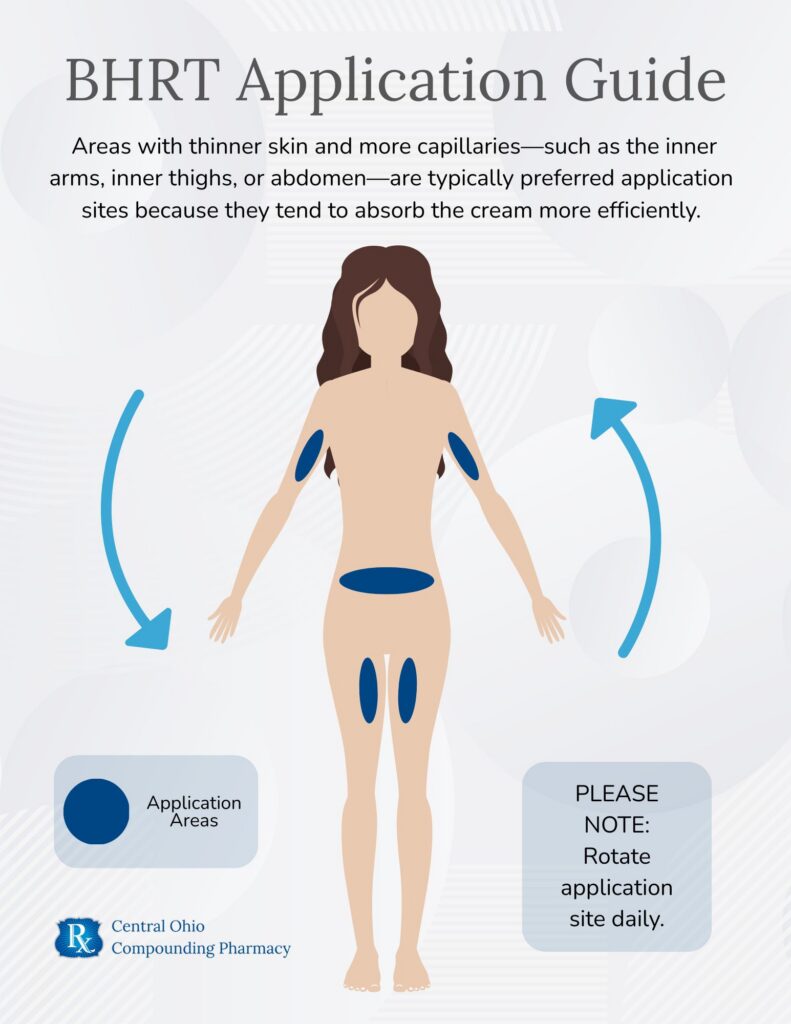
Using prescriber-recommended sites helps support more consistent absorption and dosing over time. Applying cream to unintended areas may lead to less predictable hormone exposure, and topical medications should also be used carefully to reduce the chance of transfer through skin-to-skin contact. For that reason, it’s best to follow application instructions closely and avoid changing sites without provider guidance.
Important Considerations in BHRT
Some patients may experience temporary effects during dose adjustments, including:
- Bloating or weight changes
- Breast tenderness
- Mood changes
- Skin irritation
- Fatigue or headaches
Compounded medications are not FDA-approved in the same way as commercially available drugs. They are prepared by licensed pharmacies based on a provider’s prescription to meet individual patient needs.
Real-World Scenarios Where Compounding May Help
Below are a few examples of situations where a prescriber may consider a tailored, compounded hormone cream for perimenopause.
Linda, 52 — Early Vaginal Dryness and Discomfort
Although Linda still had occasional periods, intercourse had become noticeably uncomfortable. Over-the-counter moisturizers helped temporarily, but symptoms always returned.
Her doctor suggested a compounded formula that incorporated a lower-dose estrogen component (estriol) to support vaginal tissue health, paired with a small amount of estradiol for broader symptom coverage. The personalized combination offered more targeted support without escalating to higher systemic doses.
Maya, 45 — Sleep Disruption and Cyclical Anxiety
Maya’s main complaint wasn’t hot flashes — it was sleep. She could fall asleep, but woke up several times a night, often feeling tense or restless. The concern would worsen just before her period.
Her gynecologist explored compounded progesterone capsules as part of her care plan. Within a few doses Maya noticed significant improvement in her sleep.
Erica, 49 — Skin Sensitivity to Patches and Standard Creams
Erica had classic perimenopausal symptoms — warmth at night, irregular periods, and mood fluctuations. Her clinician initially recommended a transdermal patch, but she developed irritation under the adhesive. Switching to a commercial estrogen cream wasn’t much better; the base caused redness and itching.
A compounded cream allowed her pharmacist and provider to choose a hypoallergenic base and adjust the hormone concentration so she could continue the care plan without discomfort.
Hormone Testing May Help Guide the Conversation
For some women, the next step after noticing perimenopausal changes is a more detailed discussion with their provider about hormone evaluation. In addition to reviewing symptoms and medical history, some clinicians may consider hormone testing as part of the broader decision-making process.
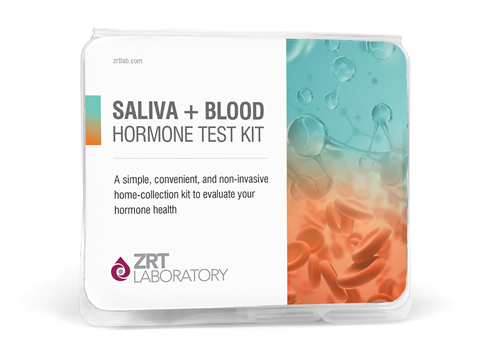
At Central Ohio Compounding Pharmacy, we offer an at-home Saliva + Blood Hormone Test Kit designed to provide a broader view of hormone patterns. This type of testing may include markers related to sex hormones, adrenal function, and thyroid activity — helping providers better understand how multiple systems may be contributing to symptoms.
Because hormone systems are interconnected, broader testing may help support more informed discussions with your provider. In some cases, testing may be used to establish baseline levels before starting hormone therapy or to support ongoing adjustments over time.
For women in Worthington, Columbus, and across Central Ohio, this can offer a more informed starting point when discussing options with a provider.
If hormone testing is being considered, it’s best used alongside provider guidance so results can be interpreted in the context of your symptoms, health history, and overall care plan.
Ohio’s Trusted Compounding Pharmacy for Women’s Health
Not all compounding pharmacies approach hormone therapy with the same level of precision or collaboration.
At Central Ohio Compounding Pharmacy, we focus on:

- Specialized hormone compounding
We routinely prepare customized estriol–estradiol and progesterone formulations, including low-dose titration and ratio adjustments designed for patients with fluctuating hormone patterns. - Provider-directed customization
Every formulation is prepared based on a prescriber’s exact specifications, allowing for ongoing adjustments in strength, combination, and delivery method as patient needs evolve. - Formulation flexibility for sensitive patients
We customize not only hormone levels, but also cream bases — supporting patients who experience irritation or sensitivity with standard commercial products. - Local collaboration and responsiveness
We work directly with Central Ohio providers, which allows for faster communication, more efficient adjustments, and continuity of care that may be harder to achieve with mail-order programs.
Hormone Therapy Support in Columbus & Central Ohio
Women in Columbus, Worthington, and across Central Ohio experiencing perimenopause symptoms often work with local healthcare providers to explore hormone therapy options. Because symptoms and hormone patterns can vary, many providers in the area take an individualized approach when evaluating care plans.
At Central Ohio Compounding Pharmacy, we work with prescribers throughout the region to prepare customized formulations, including estriol, estradiol, and progesterone creams, based on each patient’s specific needs and preferences.
If you’re a patient searching for compounded hormone therapy near me, our pharmacists are available to answer questions about women’s health and help you understand how you might discuss BHRT options with your provider.
For Ohio gynecologists and prescribers, our team can assist in optimizing BHRT care plans for your patients. Contact us or visit our pharmacy locations in Worthington and the Arena District.
Key Takeaways
- Hormone levels during perimenopause may fluctuate unpredictably
- Compounded creams may support more flexible hormone formulations
- Estriol, estradiol, and progesterone each play different roles
- Therapy plans are individualized and guided by a provider
- Central Ohio Compounding Pharmacy may support ongoing adjustments
Frequently Asked Questions About Compounded Hormone Creams for Perimenopause
What are compounded hormone creams?
Compounded hormone creams are customized medications prepared by a licensed pharmacy based on a provider’s prescription. They may include hormones like estriol, estradiol, and progesterone in specific strengths and ratios tailored to an individual’s needs.
How are compounded hormone creams different from standard hormone therapy?
Standard hormone therapy typically uses fixed-dose, commercially manufactured products. Compounded hormone creams allow providers to adjust hormone strength, combine multiple hormones, and select specific delivery methods based on patient preferences and response over time.
Are estriol and estradiol the same thing?
No. Estriol and estradiol are both forms of estrogen, but they play different roles. Estriol is often discussed in relation to more localized tissue support, while estradiol is considered the body’s primary estrogen with broader effects throughout the body.
What does progesterone do in hormone therapy?
Progesterone is often included to help balance estrogen activity and is associated with effects on sleep patterns, mood, and overall hormonal regulation. Providers may include it as part of a more comprehensive hormone approach.
Who may be a candidate for compounded hormone creams during perimenopause?
Providers may consider compounded options for women experiencing fluctuating symptoms, sensitivity to standard hormone products, or those who need more flexible dosing than commercially available options provide.
Where are compounded hormone creams typically applied?
Application sites may include areas such as the inner arms, inner thighs, or lower abdomen. Your provider will recommend specific locations to help support consistent absorption.
Do I need hormone testing before starting BHRT?
Not always. Some providers base decisions primarily on symptoms and medical history, while others may use hormone testing to better understand baseline levels or guide adjustments over time.
How long does it take to see changes with compounded hormone therapy?
This can vary. Providers often monitor response and adjust therapy based on how symptoms change. Follow-up and communication are key parts of the process.
Are compounded hormone creams FDA-approved?
Compounded medications are not FDA-approved in the same way as commercially manufactured drugs. They are prepared by licensed pharmacies based on a provider’s prescription to meet individual patient needs.
Where can I find compounded hormone therapy near me in Central Ohio?
Patients in Columbus, Worthington, and nearby areas often work with local providers and compounding pharmacies to explore personalized hormone therapy options. A provider can help determine whether this approach may be appropriate based on individual needs.
References
- Cano, A., Estévez, J., Usandizaga, R., Gallo, J. L., Guinot, M., Delgado, J. L., Castellanos, E., Moral, E., Nieto, C., Del Prado, J. M., & Ferrer, J. (2012). The therapeutic effect of a new ultra low concentration estriol gel formulation (0.005% estriol vaginal gel) on symptoms and signs of postmenopausal vaginal atrophy. Menopause the Journal of the North American Menopause Society, 19(10), 1130–1139. Link
- Nolan, B. J., Liang, B., & Cheung, A. S. (2020b). Efficacy of micronized progesterone for sleep: A systematic review and meta-analysis of randomized controlled trial data. The Journal of Clinical Endocrinology & Metabolism, 106(4), e942–e951. Link
- Srinivasan, S., Hua, X., Wu, M. C., Proll, S., Valint, D. J., Reed, S. D., Guthrie, K. A., LaCroix, A. Z., Larson, J. C., Pepin, R., Bhasin, S., Raftery, D., Fredricks, D. N., & Mitchell, C. M. (2022). Impact of topical interventions on the vaginal microbiota and metabolome in postmenopausal women. JAMA Network Open, 5(3), e225032. Link