
BHRT BLOG SERIES
Navigating Hormonal Changes: Personalized Options for Women’s Wellness
Hormonal changes during perimenopause and menopause may contribute to a wide range of symptoms — impacting sleep, mood, vaginal health, energy, and intimacy. While conventional therapies offer standardized treatment, some women and their providers seek options that allow for more individualized care. Compounded bioidentical hormone replacement therapy (BHRT) offers the flexibility to adjust dosing, remove allergens, and focus on specific symptom patterns.
This blog series explores BHRT through the lens of personalized medicine and pharmacy compounding — highlighting how different formulations may support women’s health across various domains. Each part focuses on a specific compounded hormone therapy, discussing form, common use, dosing guidance, and clinical context.
In Part 3, we turn to estriol–estradiol vaginal cream — a topical option that may support women experiencing vaginal dryness, irritation, or tissue atrophy. We’ll review how this compounded formulation works, how it compares to systemic therapies, and what the clinical research suggests about its use in localized genitourinary symptoms.
As estrogen levels shift during perimenopause or menopause, tissues of your vagina and vulva begin to lose their elasticity and lubrication. This can lead to dryness, irritation, and discomfort, affecting your daily life and intimacy. Women may notice gradual changes in comfort, moisture, and ease until they become hard to ignore.
For women who need support beyond standard moisturizers, bioidentical hormone replacement therapy (BHRT) may offer a personalized approach. Because the formulation can be tailored, it allows care to align with specific symptom patterns and sensitivities.
In this installment, we’ll explore how a topical estriol–estradiol vaginal cream works, how it differs from oral therapies, how it’s absorbed, and how clinical research supports its potential role in relieving dryness and atrophy.
“Estriol, a weak estrogen, is often used for its high local efficacy and minimal systemic absorption, making it suitable for long-term therapy without the risks associated with systemic estrogen administration.”
Source: Clinics and Practice
Part 3: Estriol–Estradiol Vaginal Cream for Vaginal Atrophy and Dryness
When vaginal dryness and atrophy hit due to fluctuating estrogens, you’re more likely to experience discomfort, irritation, and reduced lubrication. All of these slowly affect your daily comfort and intimacy. Over time, they can influence emotional connection and overall quality of life.
An estriol–estradiol vaginal cream delivers estrogens directly to the vaginal tissue. However, OTC versions usually have fixed doses and aren’t as good as prescription ones. Meanwhile, oral therapies circulate throughout the body, which isn’t always necessary for local symptoms.

Thus, the topical route provides focused support with minimal systemic exposure. To get the optimal care, it may be time to explore BHRT, particularly compounded topical estriol–estradiol cream.
Compounded Estriol–Estradiol Vaginal Cream
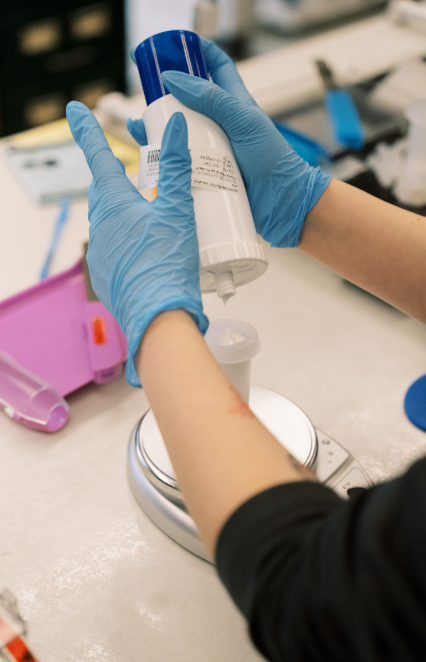
Commercial vaginal estrogen products often come in fixed strengths and standardized bases, but compounded estriol–estradiol vaginal cream offers flexible formulations.
Commercial options typically contain estradiol alone or conjugated estrogens (like Premarin®).
Estriol, a weaker estrogen with lower systemic absorption, is not widely available in U.S. commercial products.
Compounding allows both estriol and estradiol to be used together, which may support:
- Vaginal moisture and elasticity (estriol)
- Tissue plumpness and structure (estradiol)
Central Ohio Compounding Pharmacy offers compounded estriol–estradiol vaginal cream available in Estriol 1-mg/Estradiol 0.1-mg/gm dosage strength. Applied as 1 gram (4 clicks) vaginally at night for one week may provide relief during bedtime hours. After that, application two times a week for maintenance.
Because the cream is applied directly to the vaginal tissue, its mechanism of action is localized. The active ingredients are absorbed through the mucosa, supporting lubrication, elasticity, and comfort. This targeted route minimizes systemic exposure and avoids first-pass liver metabolism observed in oral formulations. Thus, compounding offers a personalized and tissue-focused approach to symptom relief.
How Estriol–Estradiol Vaginal Cream Supports Women’s Health
Estriol and estradiol are estrogens. Estradiol is more potent and contributes to the elasticity and plumpness to the vaginal walls. On the other hand, estriol is weaker but plays a role in moisture and lubrication, supporting a healthy pH. So, having them together in vaginal creams may provide the needed support when estrogen levels fluctuate.
Topical Estriol–Estradiol Creams May Help With:
- Vaginal dryness
- Irritation or itching
- Burning or soreness
- Pain with intercourse
- Fragile or thinning vaginal tissue
- pH imbalance linked to discomfort
While these creams are generally well-tolerated, possible side effects may happen, including:
- Mild skin irritation at the application site
- Temporary bloating or weight changes
- Breast tenderness or swelling
Thus, your provider closely monitors the therapy to minimize side effects and adjust dosing when needed. This helps you maintain your care plan.
What Clinical Research Shows About Estriol–Estradiol Vaginal Cream
Peer-reviewed studies revealed the role of topical estriol–estradiol cream in supporting women’s health and menopausal presentations.
A study published in Clinics and Practice (2025) investigated local estriol therapy, alongside pelvic floor exercises. Fifty postmenopausal women diagnosed with atrophic vulvovaginitis were enrolled and divided into three severity groups. After six months, researchers evaluated any changes among participants. Results showed changes across all women, particularly significant in the moderate and severe groups. The symptom relief was noted up to 68% with estriol alone and 82% with estriol and pelvic floor exercises. The team suggested that blood circulation due to exercise likely helped estriol.
In the Phase 3 study published in Menopause, investigators examined the influence of estradiol cream on vaginal changes, intercourse-related pain (dyspareunia), and irritation. Over 500 sexually active postmenopausal women were enrolled and assigned randomly to receive either estradiol cream or placebo. Compared to placebo, the estradiol group showed relief in dyspareunia, vaginal irritation, and vaginal dryness. The same group also exhibited changes in vaginal cytology and pH.
According to the Phase 2 study published in Menopause (2020), researchers assessed the supportive properties of ultra-low dose topical estriol among women with vulvovaginal atrophy. Sixty-one women were included and 50 of them received the therapy, while 11 received placebo. Their findings suggested changes in vaginal dryness and global scores of signs and symptoms.
Hypothetical Scenarios: Women Who May Benefit From Compounded Estriol–Estradiol Cream Support
For Patients:
Arielle, 53:
Arielle has begun feeling persistent dryness and internal tightness, making intimacy increasingly uncomfortable. She wants relief that acts directly on the area, instead of taking oral medications. Her clinician suggests a compounded estriol–estradiol vaginal cream based on studies showing that local estrogen therapy may help with vaginal dryness, elasticity, and comfort.
Nadia, 57:
Nadia recently noticed irritation and a light burning sensation during her daily activities. But now, they have become more frequent, which affected her confidence and routine. Her gynecologist explains that these symptoms may signal early changes in her hormones. Drawing on research of ultra-low-dose estriol cream, her provider discussed the potential of a personalized vaginal support to help with dryness, irritation, and tissue fragility.
For Providers:
Supporting Patients With Localized Genitourinary Syndrome of Menopause (GSM)
Clinicians managing women who report vaginal dryness, irritation, or dyspareunia may find that a compounded estriol–estradiol cream offers targeted relief for tissue-level symptoms. Because topical estrogen acts directly on the vaginal mucosa, it aligns with evidence from studies demonstrating meaningful improvements in dryness and painful intercourse.
Genitourinary Syndrome of Menopause (GSM) is a medical term that describes a collection of symptoms and physical changes that occur in the vulva, vagina, urethra, and bladder due to declining estrogen and other sex hormones, particularly during perimenopause and menopause.
Caring for Patients Who Prefer Minimal Systemic Exposure
Some patients express hesitation about systemic estrogen therapy or have health histories that make localized therapy a more appropriate option. Compounded estriol–estradiol formulations allow providers to tailor dosing while maintaining low systemic absorption. This approach, supported by studies, shows that ultra-low-dose estriol creams and gels may help with GSM symptoms without significant increases in serum estrogen levels.
Individualizing Therapy When Symptoms are Multifaceted
Patients presenting with a mix of dryness, burning, mild urinary discomfort, and tissue fragility may benefit from a therapy that addresses GSM comprehensively. Evidence from combination estriol studies suggests improvements across multiple symptom domains, giving gynecologists a flexible tool for nuanced presentations that require personalized dosing, titration, or adjustment over time.
Is Topical Estriol–Estradiol Vaginal Cream a Good Fit for Your Needs?
Your perimenopause or menopause journey starts with little changes that may end up becoming unbearable. Shifts are different from woman to woman. So, you may need a gentler way to help you manage them. That said, a compounding pharmacy offers a customizable approach.

Compounded topical estriol–estradiol cream allows your provider to personalize formulations to meet your symptom patterns and specific needs. This option enables them to adjust dose and remove components you’re sensitive to.
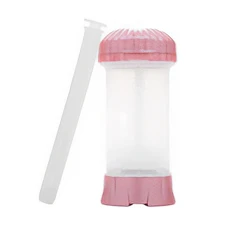
Many products are available in dispensing devices that allow for precise dosing of compounded products to help make your care plan easier to follow.
Our pharmacists are here to help you understand your options and work with your provider to find the optimal choice for your health. Since BHRT uses bioidentical hormones, the active ingredients in compounded topical estriol–estradiol cream match closely the estrogens your body naturally produces.
Always consult your healthcare provider to check your hormone levels and determine the best care plan that matches your needs and lifestyle. Compounded therapy is highly personalized and must be clinically guided by a prescriber with experience in hormone health.

Lucy Andrews, PharmD
Please schedule a virtual or in-person consultation with our hormone specialist, Lucy Andrews, PharmD.
We also offer educational resources to support informed, evidence-based care.
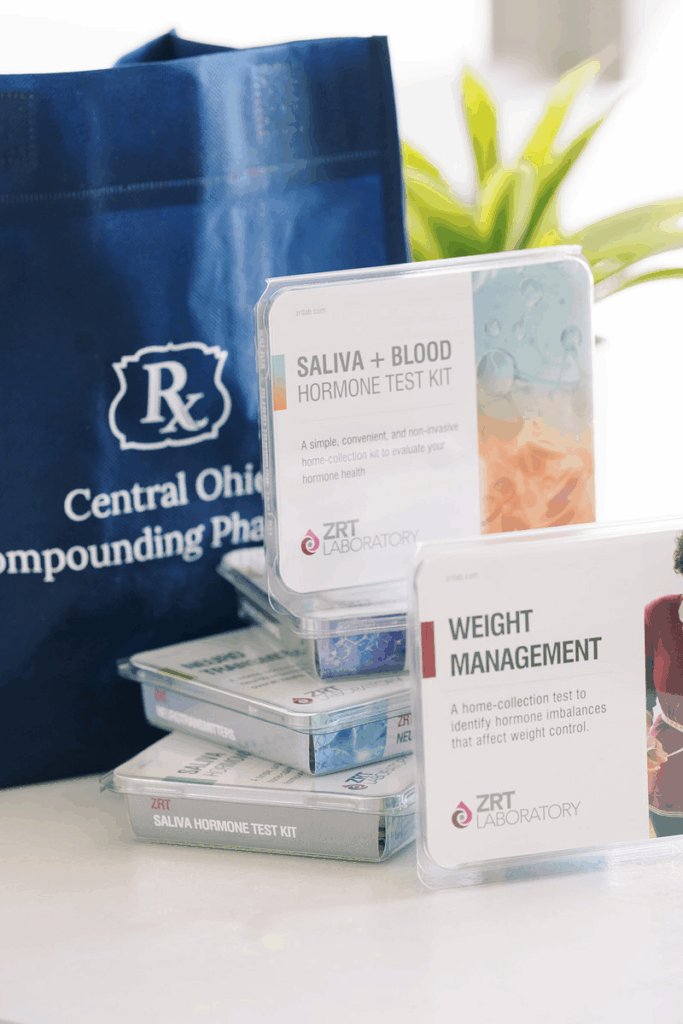
Now is the perfect time to assess your hormone levels (at-home saliva test kits available) and discuss advanced options to gain balance, address specific symptoms, and enhance quality of life.
Talk to your healthcare provider about whether Hormone Replacement Therapy is appropriate for you based on your symptoms, age, and health history.
Need a Referral to a Trusted Women’s Health Practitioner?
Check out our list of Ohio practitioners we know and trust.
Ohio Prescribers: Expanding Therapy Options
Prescribers seeking to expand their therapeutic options for women in perimenopause or menopause may discover the potential of compounded topical estriol–estradiol cream in personalized therapies. The delivery route provides an alternative for your patients who don’t want oral forms, specific excipients, or want another means that easily integrates into their daily activities.
Compounded topical estriol–estradiol cream is available in Estriol 1-mg/Estradiol 0.1-mg/gm dosage strength, but we are able to customize as needed. We recommend inserting 1 gram into the vagina at bedtime for seven nights. Thereafter, twice a week for maintenance. The dispensing device comes in 30 g and supports 4 clicks for 1 g for easy and consistent dosing.
BHRT gives providers the opportunity to design care plans that truly reflect their patients’ needs and priorities. Our team supports this process with tailored formulations that follow the latest clinical guidance. Let us know how we can help as you determine the next steps.
How to Prescribe: Central Ohio Compounding Pharmacy RX Order Forms
To make the prescribing process simple, Central Ohio Compounding Pharmacy provides an easy-to-use RX order form listing all available strengths of topical compounded estriol–estradiol cream, as well as other BHRT options. Prescribers can simply check the desired strength (Estriol 1 mg/Estradiol 0.1 mg/gm) and quantity (30 mg), then fax in the form directly to the pharmacy.
This time-saving process ensures accuracy, convenience, and quick turnaround times for both patients and providers.
In the News: Updated FDA Guidance on Hormone Therapy
The FDA has revised its hormone therapy labeling by taking out the black box warning. This adjustment is based on the latest research and expert evaluations indicating that, with appropriate prescribing, hormone therapy is considered safe and may help support women’s overall health.
Stay Tuned for the Next Installment in Our BHRT Blog Series
Coming Soon: Part 4: Testosterone Vaginal Cream for Energy, Libido, and Tissue Health
In Part 4 of our BHRT Menopause Series, we’ll discuss topical testosterone vaginal cream and how it compares to oral forms and how it works with energy and tissue health.
Part 1: Understanding Oral Progesterone SR Capsules for Perimenopausal Sleep & Mood Support
Part 2: Progesterone Cream: A Topical Approach to Hormonal Balance
Part 4: Testosterone Vaginal Cream for Energy, Libido, and Tissue Health
Part 5: DHEA Vaginal Gel: A Compounded Option for Vaginal Dryness and Hormonal Support
Part 6: Topical Testosterone Cream for Women: A Personalized Approach to Hormonal Wellness
References
- Hirschberg, A. L., Sánchez-Rovira, P., Presa-Lorite, J., Campos-Delgado, M., Gil-Gil, M., Lidbrink, E., Suárez-Almarza, J., & Nieto-Magro, C. (2020). Efficacy and safety of ultra-low dose 0.005% estriol vaginal gel for the treatment of vulvovaginal atrophy in postmenopausal women with early breast cancer treated with nonsteroidal aromatase inhibitors: a phase II, randomized, double-blind, placebo-controlled trial. Menopause the Journal of the North American Menopause Society, 27(5), 526–534. Link
- Kroll, R., Archer, D. F., Lin, Y., Sniukiene, V., & Liu, J. H. (2017c). A randomized, multicenter, double-blind study to evaluate the safety and efficacy of estradiol vaginal cream 0.003% in postmenopausal women with dyspareunia as the most bothersome symptom. Menopause the Journal of the North American Menopause Society, 25(2), 133–138. Link
- Șerbănescu, L., Rotar, V., Brezeanu, D., Mirea, S., Ionescu, E., & Ionescu, P. (2025b). Evaluating the efficacy of combined intravaginal estriol therapy and kegel exercises in managing menopausal atrophic vulvovaginitis. Clinics and Practice, 15(1), 20. Link