

BHRT BLOG SERIES
Navigating Hormonal Changes: Personalized Options for Women’s Wellness
Hormonal changes attributed to perimenopause and menopause often respond to estrogen therapy. However, some women continue to experience low libido and decreased sexual pleasure despite their current therapy.
In the final part of our BHRT blog series, we’ll explore topical testosterone cream. This formulation is applied transdermally or on the skin. Explore how this bioidentical hormone replacement therapy may help support hormonal wellness and sex drive through a personalized approach.
Part 6: Topical Testosterone Cream and Hormonal Wellness in Women
In Part 4 of this series, we discussed vaginal testosterone cream, which is typically prescribed for localized vulvovaginal concerns. This formulation is applied directly to the inner labia or vaginal tissue and is generally considered in clinical practice when women report symptoms such as:
- Vaginal dryness
- Tissue thinning or atrophy
- Discomfort with intimacy
- Local sensitivity changes
Because it is applied directly to the vaginal area, this preparation is primarily intended for local tissue support, rather than broader systemic hormone effects.
In this part 6 of our BHRT Series, we are shifting focus to a different formulation: topical (transdermal) testosterone cream.
What Is Topical (Transdermal) Testosterone Cream?
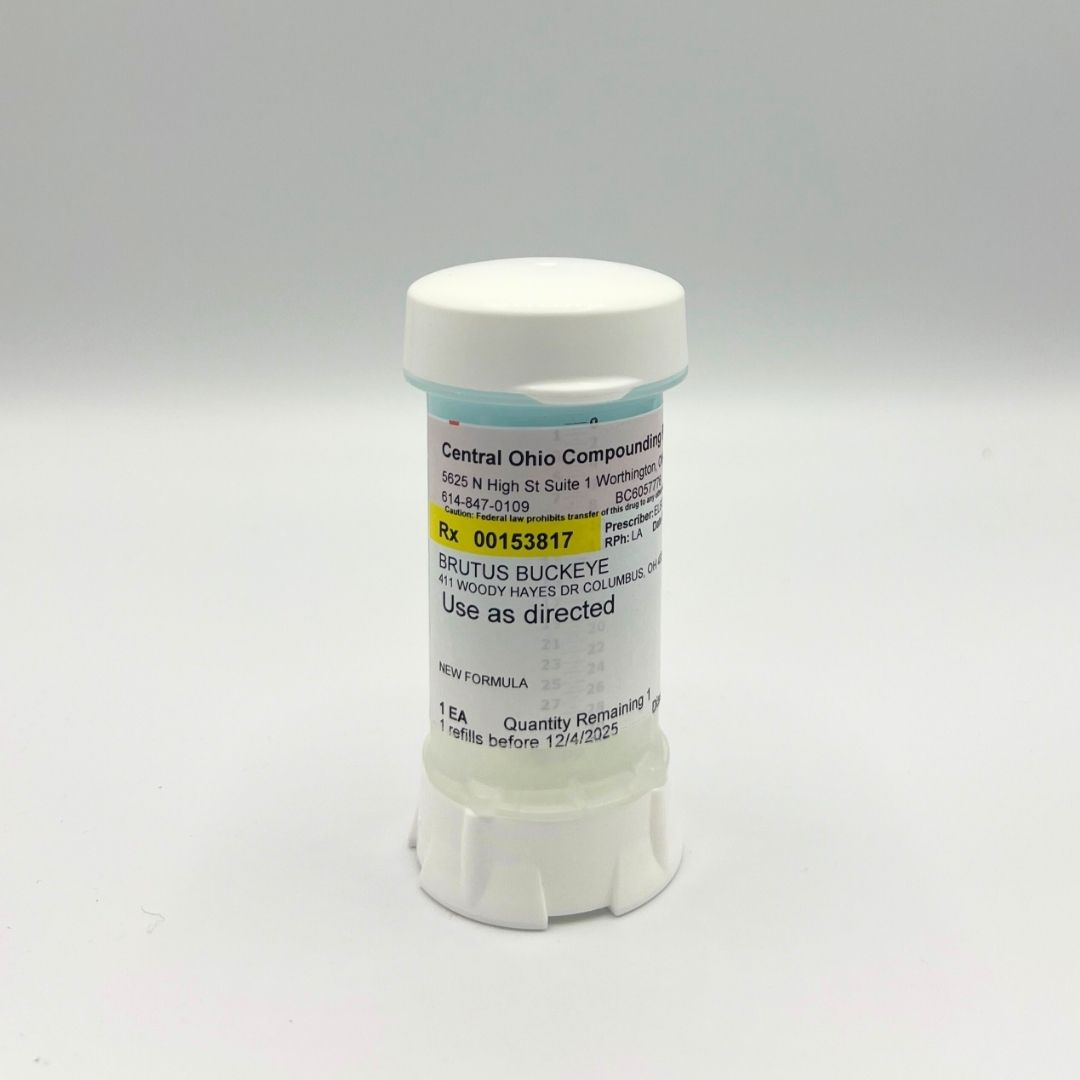
Topical testosterone cream is applied to areas such as the inner arms, inner thigh, or lower abdomen. Unlike vaginal testosterone, this form is designed for absorption through the skin into systemic circulation.
In clinical practice, a provider may evaluate transdermal testosterone when women report concerns such as:
- Changes in sexual interest
- Persistent fatigue
- Shifts in mood or motivation
Because this formulation enters the bloodstream through the skin, it is considered a systemic therapy, meaning it may influence hormone levels more broadly throughout the body.
Why Knowing the Difference Matters
Although both formulations contain testosterone, they are not interchangeable.
Vaginal testosterone is typically prescribed to address local tissue-related symptoms, focusing on the vulvovaginal area.
Topical transdermal testosterone is used when a clinician is evaluating whole-body hormone support, and may be considered when symptoms extend beyond local tissue concerns.
Understanding this distinction matters for several reasons:
- The intended therapy goal differs (local vs. systemic)
- The application site differs
- The absorption pattern differs
- The monitoring considerations may differ
Every woman’s hormone profile, health history, and symptom pattern are unique. Decisions about whether any testosterone formulation is prescribed are made by a healthcare provider based on a comprehensive evaluation and appropriate monitoring.
“Transdermal testosterone therapy for four months was associated with significant improvements in all mood and cognitive symptoms… Further, libido and mood are closely interlinked; women are more likely to feel ‘in the mood’ for sex if they are energized and their mood is positive.”

Why Testosterone Levels May Change During Menopause
Testosterone is often thought of as a male hormone, but women naturally produce it throughout their lives. In women, testosterone contributes to sexual interest, energy levels, and overall well-being.
During perimenopause and menopause, hormone production gradually shifts. Estrogen levels decline, and ovarian hormone output changes overall. Because the ovaries are one of the sources of testosterone production, circulating testosterone levels may decrease over time. In women who have had their ovaries surgically removed (oophorectomy), this change can occur more abruptly.
Hormone levels do not change in exactly the same way for every woman. Age, surgical history, overall health, and individual physiology all play a role. When symptoms arise during this transition, healthcare providers evaluate multiple factors before determining whether any hormone therapy options should be discussed.
Compounded Topical Testosterone Cream: Filling a Gap in Women’s Wellness
Currently, commercially manufactured topical testosterone products, such as transdermal gels, are approved for use in adult males with specific, diagnosed forms of hypogonadism, as defined in product labeling. As of today, there are no commercially available testosterone products indicated for use in women in the U.S.
When commercially available options don’t meet the prescribed requirements or are simply unavailable, a prescriber may specify a cream formulation in collaboration with a specialized pharmacy through compounding.
In compounding practice, testosterone cream may be prepared at prescriber-defined strengths expressed in mg/mL. Dispensing options include metered applicators delivering 0.25 mL per click.
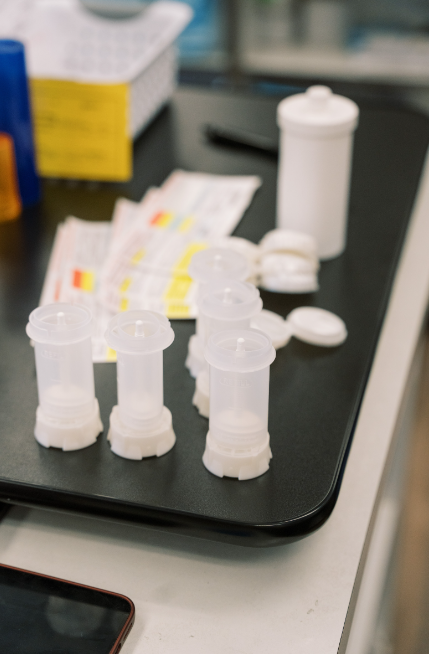
The preparation is dispensed using applicators designed to deliver a consistent, measured volume.
Decisions to prescribe a medication beyond its labeled use are made by licensed healthcare providers using their clinical judgment.
Understanding How Compounded Topical Testosterone Cream May Be Used in Clinical Practice
In clinical practice, prescribers may discuss topical testosterone cream in connection with common concerns reported during menopause, such as:
- Changes in mood or mental focus
- Shifts in sexual interest or response
- Ongoing feelings of tiredness or low energy
- Differences between cream and gel formulations
When testosterone cream is prescribed, a clinician may review certain formulation and application considerations, such as:
- Possible skin reactions at the application site
- Androgen-related changes associated with topical exposure
Where to Apply Compounded Hormone Creams: Why Application Location Matters
The location where topical testosterone cream is applied matters because different areas of the skin absorb medication at different rates. Skin thickness, blood flow, and the presence of hair follicles can all influence how much testosterone enters systemic circulation.
Applying the cream to prescriber-recommended sites — such as the inner arms, inner thigh, or lower abdomen — helps support more consistent absorption and dosing. Using unintended areas may lead to variable hormone exposure or increase the risk of transferring medication to others through skin-to-skin contact. For these reasons, patients should follow their healthcare provider’s application instructions carefully and avoid changing application sites without guidance.

Topical Testosterone Research
Several peer-reviewed studies have looked at topical testosterone in research settings. These studies describe what was measured and observed under specific conditions, with findings limited to the design and scope of each study.
The following studies evaluated specific testosterone formulations within defined research settings. Outcomes reported reflect observations within those controlled conditions and should not be interpreted as guaranteed clinical results.
Examining Topical Testosterone and Sexual Desire Measures
In the double-blind, randomized, placebo-controlled trial, researchers reported statistically significant changes in measured sexual function scores within the study group over a three-month period. The study also recorded observations related to use and monitored safety data during the trial.
“Testosterone cream significantly improved sexual scores in menopausal women with low sexual desire. It was effective, easy to use and had no side-effects over the 3-month period of active treatment. It offers a novel and acceptable method of administering testosterone to menopausal women.”
Source: El-Hage et al., 2007, Climacteric
Reviewing Reported Mood and Cognitive Measures
A retrospective cohort study evaluated self-reported measures related to mood, cognition, and libido among peri- and postmenopausal women who had persistent symptoms despite hormone replacement therapy and were given a transdermal testosterone formulation for four months. Investigators reported changes in measured scores over time and documented the distribution of self-reported symptom severity in the cohort.
“All nine cognitive and mood symptoms significantly improved across the study period. Mood improved more than cognition (47% of women reported an improvement in mood vs. 39% reported an improvement in cognition; 34% vs. 22% decrease in mean symptom scores, respectively). Regarding libido, 52% of women reported an improvement; mean symptom score decreased by 33%.”
Source: Glynne et al., 2024, Archives of Women’s Mental Health
Sexual Activity Measures Reported in a Surgical Menopause Study
Researchers conducted a randomized, placebo-controlled crossover trial in women who had both ovaries and uterus removed and were receiving estrogen therapy. The study evaluated a transdermal testosterone formulation applied during separate 12-week periods using predefined measures of sexual activity and psychological well-being compared with placebo. During active therapy periods, serum free-testosterone levels increased in accordance with the study dosing protocol. Investigators reported statistically significant improvements in measured scores related to sexual activity frequency, pleasure ratings, mood, and overall well-being when higher-dose phases were compared with placebo.
“In women who have undergone oophorectomy and hysterectomy, transdermal testosterone improves sexual function and psychological well-being.”
Source: Shifren et al., 2000, New England Journal of Medicine
Study findings are limited to the design, population, duration, and dosing used in each research setting.
Prescribing and Compounding Considerations in Practice
Patient Situations Considered in Clinical Care
Grace, 54
Grace is postmenopausal and currently using transdermal estrogen therapy. During follow-up visits, she reports persistent concerns related to reduced sexual interest despite stabilization of other menopausal symptoms. After reviewing her medical history and evaluating potential contributing factors, her clinician prescribes a compounded topical (transdermal) testosterone cream. The preparation is ordered at a prescriber-defined strength in mg/mL and dispensed in a metered applicator for once-daily application to the thigh. Ongoing monitoring is discussed as part of her care plan.
Megan, 49
Megan is in the perimenopausal stage and reports gradual changes in mood, mental focus, and sexual interest. Following a clinical evaluation and discussion of potential contributing factors, her provider prescribes a compounded topical testosterone cream prepared at a customized concentration. The medication is dispensed in a metered applicator to deliver a consistent daily dose, with follow-up visits scheduled to assess clinical response and laboratory parameters as appropriate.

Harper, 43
Harper has undergone surgical removal of her ovaries and is receiving estrogen therapy. At a follow-up appointment, she reports changes in sexual responsiveness that began after surgery. After reviewing hormonal considerations commonly evaluated following oophorectomy, her clinician prescribes a compounded topical testosterone preparation. The formulation is prepared at a specified strength and applied once daily to a designated skin site. Monitoring and reassessment are included in her care plan.
How BHRT and Compounded Topical Testosterone May Be Used in Care
Bioidentical hormone replacement therapy (BHRT) uses hormones that have the same chemical structure as those made naturally by the body. In some situations, a healthcare provider may include compounded topical testosterone cream as part of a BHRT plan.
Compounding allows the prescriber to choose the strength, form, and ingredients of a medication. A specialized pharmacy then prepares the medication exactly as prescribed.
Every woman’s hormone levels and health history are different. Decisions about BHRT, including compounded hormone preparations, are made by a licensed healthcare provider based on individual medical factors and ongoing monitoring.
Schedule a Private Hormone Consultation

Lucy Andrews, PharmD
Please schedule a virtual or in-person consultation with our hormone specialist, Lucy Andrews, PharmD.
We also offer educational resources to support informed, evidence-based care.
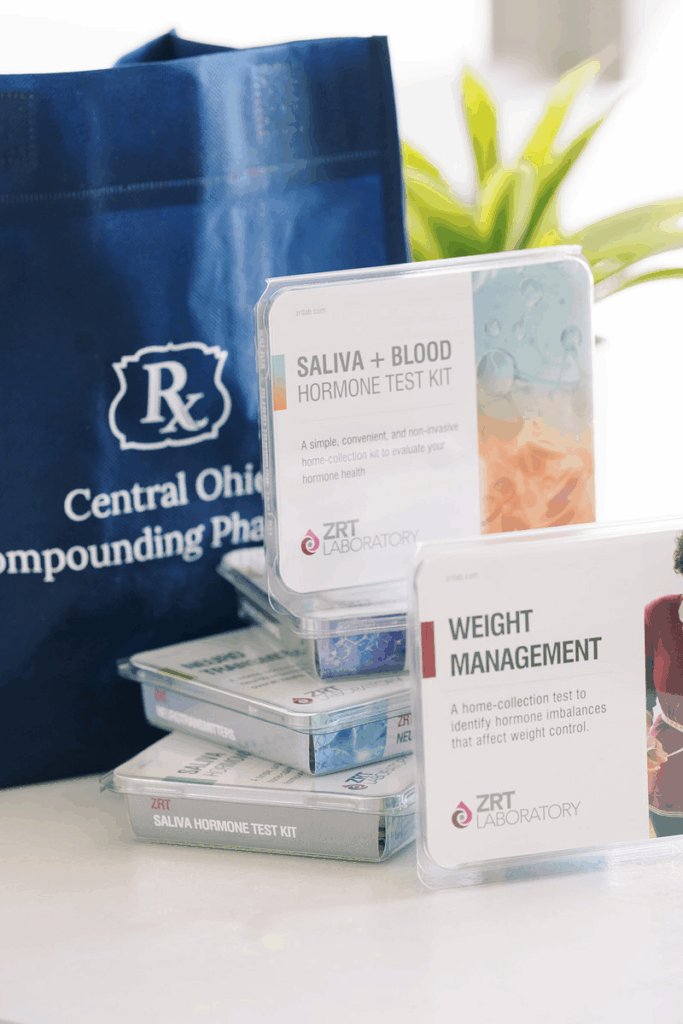
Now is the perfect time to assess your hormone levels (at-home saliva test kits available) and discuss advanced options to gain balance, address specific symptoms, and enhance quality of life.
Talk to your healthcare provider about whether Hormone Replacement Therapy is appropriate for you based on your symptoms, age, and health history.
Need a Referral to a Trusted Women’s Health Practitioner?
Check out our list of Ohio practitioners we know and trust.
For Prescribers: BHRT Prescribing and Compounding Considerations
Within BHRT care, compounded topical testosterone preparation is sometimes ordered when commercially manufactured products aren’t available in the required form or strength. Clinical factors commonly evaluated include route of administration and the ability to define formulation parameters based on medical judgment.
Compounded testosterone cream may be prepared at prescriber-defined strengths expressed in mg/mL. When ordered, it is typically applied to the skin once daily and dispensed using metered topical applicators. Common dispensing configurations include 0.25 mL per click.
Prescribing, formulation selection, dosing, and monitoring decisions remain the responsibility of a licensed healthcare provider. They are also guided by patient-specific considerations and ongoing clinical monitoring.
Central Ohio Compounding Pharmacy Prescription Order Forms for BHRT
Central Ohio Compounding Pharmacy provides prescription order forms designed to support prescriber-directed ordering of compounded topical testosterone cream and other BHRT preparations. The forms outline available strength ranges and include fields for prescriber-defined concentration (mg/mL) and quantity (mL). Completed forms may be submitted directly by fax.
This ordering format is intended to support consistent documentation of formulation parameters and clear communication between the prescriber and the pharmacy.
In the News: FDA Updates Labeling for Menopausal Hormone Therapy
The FDA has updated how certain menopause hormone therapy products are labeled, including changes to long-standing boxed warnings. This update reflects a broader re-evaluation of earlier research and how hormone therapy information is presented to women and healthcare providers today. While the labeling has changed, decisions about hormone therapy continue to depend on individual medical history and guidance from a prescriber.
BHRT Blog Series: Navigating Hormonal Changes and Personalized Options for Women’s Wellness
This BHRT Menopause Series is an educational, science-informed resource focused on how hormonal changes are evaluated and how personalized medication preparation may be considered in clinical care. Each part presents example contexts and prescribing considerations to support understanding, not to suggest outcomes.
The use of BHRT or compounded medications is determined by a medical specialist based on individual medical history, clinical judgment, and appropriate monitoring. When compounding is ordered, specialized pharmacists may collaborate with the prescriber to prepare medications according to those specifications.
Part 1: Understanding Oral Progesterone SR Capsules for Perimenopausal Sleep & Mood Support
Part 2: Topical Progesterone Cream for Hormone Balance & PMS Support
Part 3: Estriol/Estradiol Vaginal Cream for Vaginal Atrophy and Dryness
Part 4: Testosterone Vaginal Cream for Energy, Libido, and Tissue Health
Part 5: DHEA Vaginal Gel: A Compounded Option for Vaginal Dryness and Hormonal Support
References
- El-Hage, G., Eden, J. A., & Manga, R. Z. (2007). A double-blind, randomized, placebo-controlled trial of the effect of testosterone cream on the sexual motivation of menopausal hysterectomized women with hypoactive sexual desire disorder. Climacteric, 10(4), 335–343. Link
- Glynne, S., Kamal, A., Kamel, A. M., Reisel, D., & Newson, L. (2024). Effect of transdermal testosterone therapy on mood and cognitive symptoms in peri- and postmenopausal women: a pilot study. Archives of Women S Mental Health, 28(3), 541–550. Link
- Shifren, J. L., Braunstein, G. D., Simon, J. A., Casson, P. R., Buster, J. E., Redmond, G. P., Burki, R. E., Ginsburg, E. S., Rosen, R. C., Leiblum, S. R., Caramelli, K. E., Jones, K. P., Daugherty, C. A., & Mazer, N. A. (2000). Transdermal Testosterone Treatment in Women with Impaired Sexual Function after Oophorectomy. New England Journal of Medicine, 343(10), 682–688. Link
- U.S. Department of Veterans Affairs, Pharmacy Benefits Management Services & National Formulary Committee. (2025, March). Transdermal testosterone (off-label) for hypoactive sexual desire disorder (HSDD) in postmenopausal females: Summary guidance. VA Pharmacy Benefits Management Services. Link