Methimazole Suspension for Feline Hyperthyroidism: When It May Be Considered
Quick Answer
A veterinarian may consider compounded methimazole suspension for a cat with hyperthyroidism when an available FDA-approved, commercial product does not meet a patient-specific clinical need. The prescription may specify details such as strength, liquid dosage form, flavoring, or inactive ingredients.
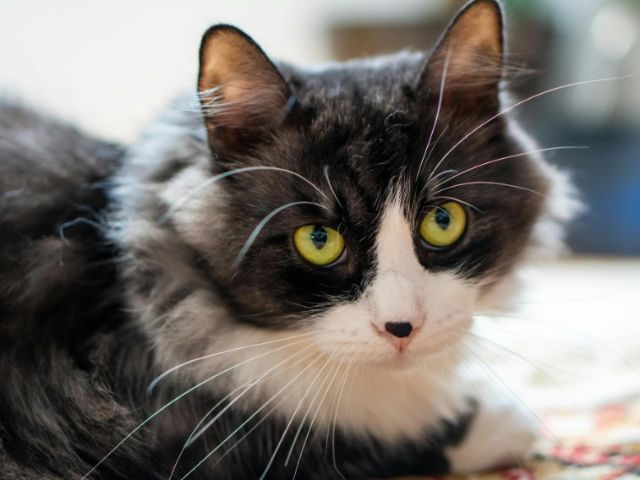
Feline hyperthyroidism occurs when a cat’s thyroid gland produces excessive thyroid hormone. Because thyroid hormones help regulate metabolism, affected cats may use energy faster than expected.
Possible signs include:
- Weight loss despite a normal or increased appetite
- Increased thirst or urination
- Restlessness or increased vocalization
- Vomiting or other digestive changes
- A greasy, unkempt, or matted coat
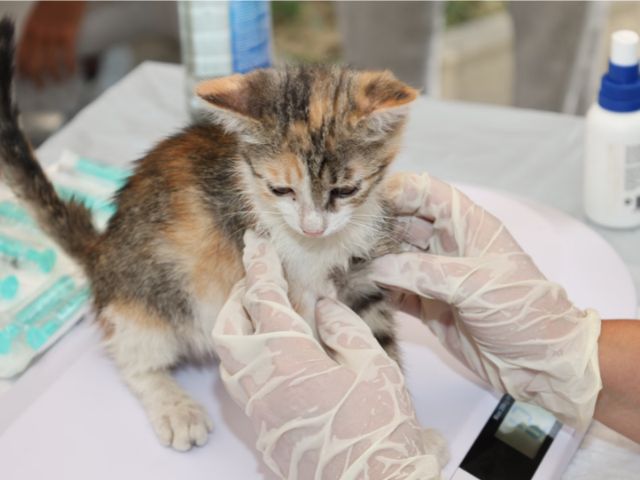
These signs do not confirm hyperthyroidism. A veterinarian may use a physical examination, thyroid hormone testing, bloodwork, blood-pressure measurements, and other findings to make a diagnosis and plan follow-up care.
For veterinarians, diagnosis and management may involve reviewing:
- Clinical signs
- Thyroid hormone levels
- Overall health status
- Kidney values
- Blood pressure
- Other factors that may affect the care plan
What is Methimazole?
Methimazole is an antithyroid medication that inhibits the production of thyroid hormones.
Why Methimazole May Be Used in Feline Hyperthyroidism Care
Methimazole is an antithyroid medication that veterinarians may prescribe to help manage feline hyperthyroidism. It works by reducing the thyroid gland’s production of thyroid hormone.
It may be used as part of long-term medical management or to stabilize a cat before another option is considered. Because the condition often requires ongoing care, veterinarians may adjust the plan over time based on lab results, clinical response, side effects, and the cat’s overall condition.
The medication itself is only one part of the plan. For some cats, the practical challenge is whether the prescribed medication can be administered consistently in the format selected by the prescriber.
Medication Format Matters in Feline Hyperthyroidism
For many cats with hyperthyroidism, the medication plan does not stop at selecting methimazole. The prescribed format also has to work for the patient, caregiver, and realities of long-term administration at home.
Some cats may have individual needs that commercial options do not fully address. In those cases, an Ohio veterinarian may consider a compounded methimazole suspension when a patient-specific formulation is appropriate.
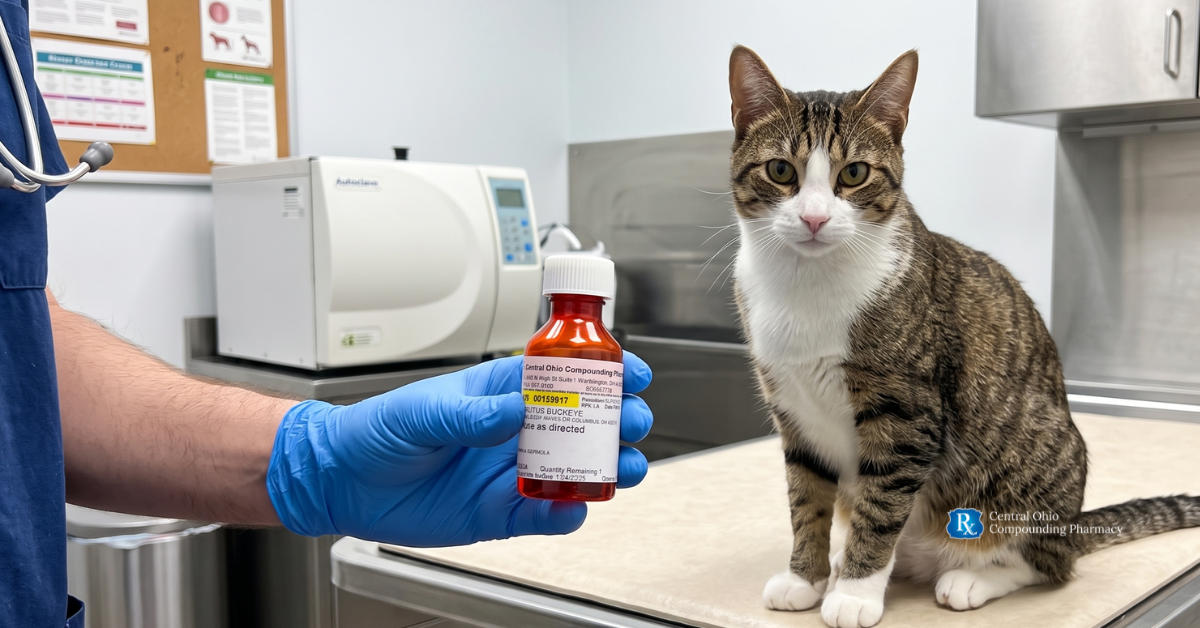
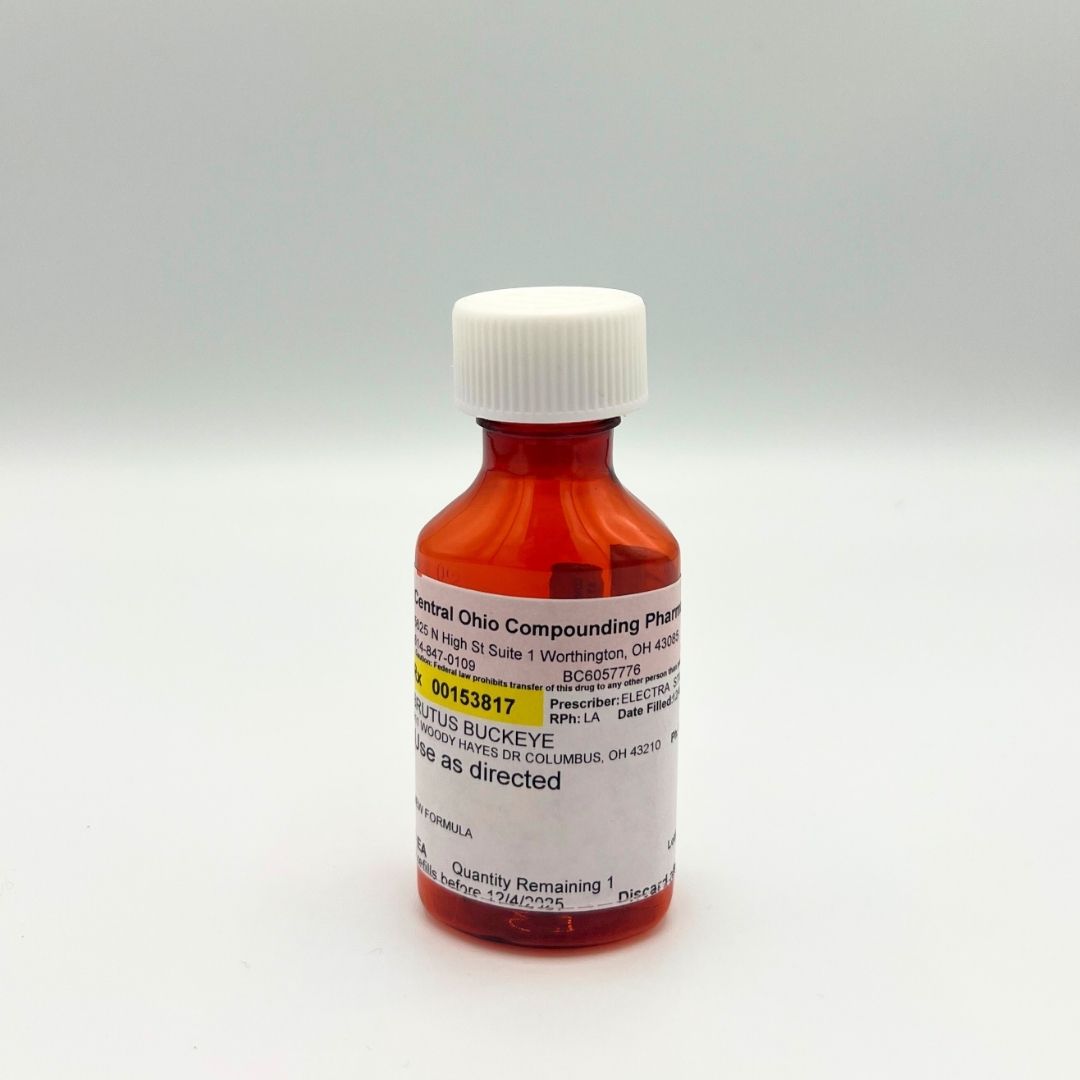
At Central Ohio Compounding Pharmacy (COCP), compounded veterinary medications begin with a valid prescription. From there, our pharmacists prepare methimazole suspension with the patient-specific details needed for the individual cat, such as strength, flavoring, inactive ingredients, or liquid dosage form.
Because several methimazole formats may come up during veterinary care, it helps to clarify the difference between FDA-approved oral solution and compounded methimazole suspension.
What Is Compounded Methimazole Suspension?
Compounded methimazole suspension is a pharmacy-prepared liquid form of methimazole made from a veterinarian’s prescription.
Unlike commercial methimazole products, compounded methimazole suspension may include patient-specific formulation details selected by the prescriber. These details may include strength, flavoring, inactive ingredients, or liquid dosage form.
Compounded methimazole suspension differs from FDA-approved methimazole oral solution. A prescribing veterinarian may consider it only when the individual cat needs a patient-specific compounded formulation.
Central Ohio Compounding Pharmacy prepares compounded methimazole suspension only with a valid veterinarian’s prescription and according to prescriber directions.
When a Compounded Methimazole Suspension May Be Considered
A veterinarian may consider compounded methimazole suspension when an individual cat has a need that an available commercial product does not meet.
Examples may include:
- A clinically appropriate strength that is not readily available
- Difficulty administering the prescribed tablet
- A need for a specific liquid concentration
- An inactive-ingredient concern identified by the veterinarian
- Another documented, patient-specific formulation need
Research has found that giving oral medication to cats may be difficult for some caregivers and that the dosage form may affect owner-perceived ease of administration. In a study published in the Journal of Veterinary Internal Medicine, researchers noted that cat-owner medication compliance is often affected by pet resistance during administration.
Another study in the American Journal of Veterinary Research compared different inactive formulation formats given to cats. The researchers found that medium-chain triglyceride oil and dissolving thin film strips scored higher for overall owner-perceived acceptability than gelatin capsules.
These studies support the practical point that medication format can affect the experience of giving medication to a cat.
Compounded Methimazole Suspension vs. FDA-Approved Oral Solution
Compounded methimazole suspension and FDA-approved methimazole oral solution are not the same. FDA-approved methimazole products are commercially manufactured medications. A compounding pharmacy prepares compounded methimazole suspension from a veterinarian’s prescription when the prescriber identifies a patient-specific need.
| Topic | FDA-Approved Methimazole Oral Solution | Compounded Methimazole Suspension |
|---|---|---|
| Regulatory Status | Mass-produced, commercial medication | Prepared by a compounding pharmacy per prescription |
| Use Case | Standard hyperthyroidism care plans | May be considered for patient-specific needs |
| Customization | Commercially defined formulation | May involve prescriber-directed strength, flavor, inactive ingredient, or dosage form details |
| Who decides? | Veterinarian | Veterinarian |
A veterinarian should decide which methimazole format fits the cat’s care plan, prescription needs, and monitoring schedule.
Before discussing medication format, it helps to understand why veterinarians may prescribe methimazole in the first place.
Monitoring After Methimazole Is Prescribed
Methimazole treatment requires veterinary follow-up regardless of whether the medication is supplied as a commercial product or a compounded preparation.
Depending on the cat’s condition, the veterinarian may monitor:
- Total T4 or other thyroid measurements
- Complete blood count
- Blood chemistry
- Kidney values
- Weight and clinical signs
- Blood pressure
- Possible adverse reactions
Managing hyperthyroidism may affect how underlying kidney disease appears in laboratory testing. This is one reason ongoing veterinary evaluation is important.
Pet owners should contact the veterinary team about changes such as:
- Reduced appetite
- Vomiting or diarrhea
- Unusual tiredness
- Facial itching or skin changes
- Changes in drinking or urination
- Difficulty administering the medication
- Missed or incomplete doses
- New symptoms after treatment begins
Do not give an extra dose or change the dose, schedule, or dosage form unless the veterinarian provides instructions.
For Ohio Veterinarians: Prescription Details
When a compounded suspension is considered appropriate, the prescription may include:
- Methimazole concentration
- Directions for use
- Quantity
- Number of refills
- Requested flavoring
- Relevant inactive-ingredient instructions
- Dispensing-device requirements
- Counseling or handling instructions
Pharmacists at Central Ohio Compounding Pharmacy may discuss formulation questions with the prescribing veterinary team before a new prescription or prescription update is prepared.
For Pet Owners: What to Ask Your Veterinarian
A productive discussion may include these questions:
- Is an FDA-approved methimazole product medically appropriate for my cat?
- What patient-specific need would a compounded suspension address?
- Which dosage form do you recommend?
- What should I do if my cat spits out or refuses a dose?
- What symptoms should I report?
- How often does my cat need bloodwork or follow-up examinations?
- What should I do when a dose is missed?
- Are there handling or storage instructions I should follow?
The answers may differ according to the cat’s diagnosis, kidney function, other medical conditions, and treatment plan.
Prescription Support with Central Ohio Compounding Pharmacy
Central Ohio Compounding Pharmacy works with Ohio veterinarians when a patient-specific compounded formulation is prescribed.
Pharmacy support may include:
- Preparation of the prescribed concentration and dosage form
- Prescriber-requested flavoring or inactive-ingredient considerations
- Pharmacist consultation about formulation questions
- Practitioner resources and prescription forms
- Prescription updates when directed by the veterinarian
Pet owners should speak with their veterinarian before contacting the pharmacy about a new methimazole formulation. A valid veterinary prescription is required.
FAQ About Methimazole Suspension for Feline Hyperthyroidism
What is methimazole suspension?
Methimazole suspension usually refers to a liquid form of methimazole prepared by a compounding pharmacy from a veterinarian’s prescription. In this blog, compounded methimazole suspension means the pharmacy-prepared version that may include patient-specific details such as strength, flavoring, inactive ingredient considerations, or liquid dosage form.
Frequently Asked Questions
What does methimazole do for cats with hyperthyroidism?
Methimazole reduces the thyroid gland’s production of thyroid hormones. Veterinarians may prescribe it to help manage feline hyperthyroidism and will determine the appropriate dose and monitoring plan for each cat.
How should methimazole suspension be given?
Give the medication exactly as directed by the veterinarian and use the measuring device supplied by the pharmacy. Follow all label instructions, including whether the suspension should be shaken before each dose.
What should I do if my cat spits out or misses a dose?
Contact the veterinary team for guidance. Do not repeat a dose or give extra medication unless the veterinarian instructs you to do so, because it may be unclear how much medication the cat received.
What changes should I watch for after my cat starts methimazole?
Contact the veterinarian if you notice reduced appetite, vomiting, unusual tiredness, facial itching, skin changes, behavior changes, or difficulty giving the medication. Other changes should also be reported if they appear after treatment begins.
Why does my cat need bloodwork while taking methimazole?
Veterinary monitoring helps assess thyroid hormone levels, blood cell counts, liver and kidney values, and the cat’s overall response to treatment. The veterinarian may adjust the care plan based on examination findings and laboratory results.
How are feline hyperthyroidism and kidney disease connected?
Feline hyperthyroidism and kidney disease can overlap, especially in older cats. Treating hyperthyroidism may change how kidney function appears on labwork, which is one reason veterinarians often monitor thyroid levels, kidney values, and the cat’s overall response over time.
What is feline hyperthyroidism life expectancy?
Feline hyperthyroidism life expectancy can vary. It depends on the cat’s age, overall health, kidney function, heart health, treatment plan, and response to care. Some cats do well with ongoing veterinary management, but prognosis should be discussed with the veterinarian who knows the cat’s case.
References
- DailyMed – FELANORM- methimazole solution. (n.d.). Link
- Heseltine, J. (2024, May 6). Hyperthyroidism in animals. MSD Veterinary Manual. Link
- Odom, T. F., Riley, C. B., Benschop, J., & Hill, K. E. (2025b). Medication compliance by cat owners prescribed treatment for home administration. Journal of Veterinary Internal Medicine, 39(1), e17298. Link
- Traas, A. M., Fleck, T., Ellings, A., Mahabir, S., Stuebner, K., Brown, D. C., Durso, D., DiGregorio, M., Bode, L., Kievit, K. I., & McCall, R. (2010b). Ease of oral administration and owner-perceived acceptability of triglyceride oil, dissolving thin film strip, and gelatin capsule formulations to healthy cats. American Journal of Veterinary Research, 71(6), 610–614. Link
- U.S. Food and Drug Administration. (2024, July 9). FDA approves first generic methimazole for treating hyperthyroidism in cats. Link