

Summary: When a prescription medication becomes unavailable due to a shortage or manufacturer discontinuation, patients may have concerns about maintaining access to their prescribed therapy. In some situations, a compounding pharmacy may be able to prepare a patient-specific medication using the prescribed active ingredient or ingredients when appropriate and permitted.
Compounding may be considered when a commercially available medication does not meet a patient’s specific needs or when the medication a patient requires is not commercially available. A healthcare provider and pharmacist work together to determine whether a compounded option is appropriate based on the patient’s prescription, available ingredients, and applicable compounding requirements.
Key Takeaways:
- Prescription drug shortages and medication discontinuations may affect a patient’s ability to obtain a medication they rely on.
- A compounding pharmacy may provide patient-specific medication options when commercial availability changes and compounding is appropriate.
- Compounded medications may be customized in strength, dosage form, and formulation based on a prescriber’s instructions.
When a Prescription Medication Becomes Hard to Find
A prescription that was easy to fill last month can suddenly become difficult to obtain. This is oftentimes due to medication shortages or discontinuations.
What is a Drug Shortage?
A drug shortage occurs when the supply of a medication is not sufficient to meet current or expected demand. Shortages may affect a specific manufacturer, strength, dosage form, or the medication more broadly and may result from manufacturing problems, ingredient shortages, supply-chain disruptions, increased demand, or production delays.
The FDA Drug Shortages List identifies medications that the FDA has determined are in shortage based on national supply and demand. American Society of Health-System Pharmacists (ASHP) Drug Shortages Database is a separate resource that tracks a broader range of medication availability issues reported by manufacturers, distributors, and healthcare organizations.
Another challenge affecting patients is discontinued medications, which is different from a temporary shortage. Manufacturers may discontinue medications for reasons such as production or supply-chain challenges, changes in ingredient availability, regulatory or quality considerations, or business decisions related to demand and product availability.
So, what happens to the patients that depend on these medications?
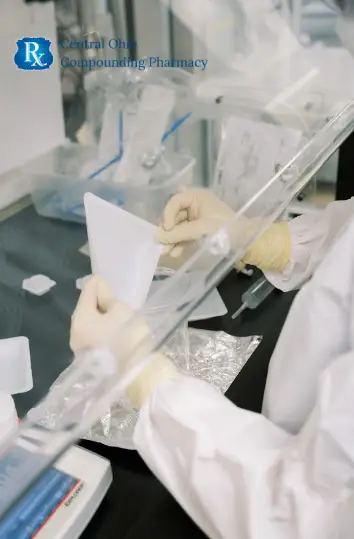
The Role of Compounding Pharmacies During Medication Shortages and Discontinuations
Medication shortages and manufacturer discontinuations may create serious challenges for patients who rely on a specific medication as part of their ongoing care.
Shortages also affect medical practitioners. Studies have found that drug shortages may require healthcare professionals to identify alternative therapies, adjust treatment plans, and spend additional time managing medication availability challenges.
A survey of healthcare professionals found that drug shortages affected patient care and required additional resources to manage medication substitutions and treatment changes.
Customized Compounded Alternatives
When a commercially manufactured medication becomes unavailable, a compounding pharmacy may be able to prepare a patient-specific alternative using the same active ingredient or active ingredients found in the unavailable medication, when permitted and appropriate. This may allow the prescriber to continue addressing the same therapeutic goal while also adjusting the formulation to better meet the patient’s individual needs.
This may be especially important for patients who have used the same medication for an extended period or who require a particular dosage or formulation. Rather than changing therapy solely because a product is in shortage or has disappeared from the market, the prescriber may have an additional option to consider.
Unlike mass-produced medications, compounded preparations may be customized in strength, dosage form, or inactive ingredients. A prescriber may request capsules, liquids, creams, gels, suppositories, or other dosage forms, as well as formulations made without certain dyes, fillers, preservatives, or other ingredients a patient may need to avoid.
Compounding is not appropriate or permitted in every shortage or discontinuation situation, and compounded medications are not FDA-approved. Each situation should be evaluated by the patient’s healthcare provider and pharmacist. However, when compounding is appropriate, compounding pharmacies may help support continuity of care by providing access to patient-specific medication options when commercial availability changes.
Examples of When Compounding May Be Considered During Medication Shortages
A prescriber and compounding pharmacist may explore a patient-specific formulation when commercial options are unavailable. Let’s explore some circumstances where compounding has potential for patients’ continuity of care.
Estradiol Patch Availability
Estradiol transdermal patch shortage is a current example of how access can affect patients’ lives. The FDA advises patients who cannot obtain their usual patch to discuss other estradiol products with their healthcare provider.
Central Ohio Compounding Pharmacy has been helping women suffering from the patch shortage and prepares estriol/estradiol creams in patient-specific strengths and bases as prescribed by their doctors.
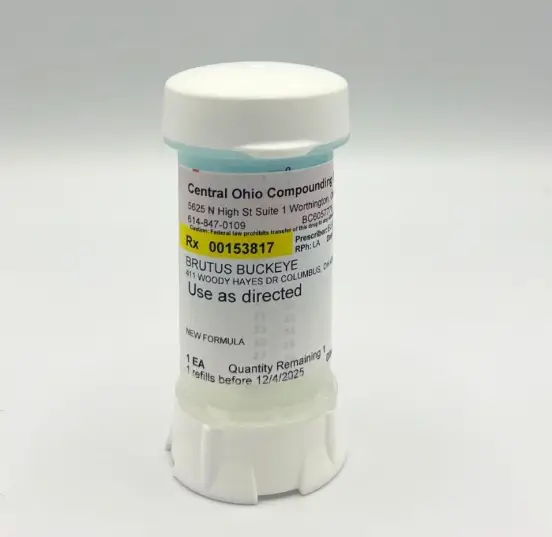
Estradiol vaginal cream
ASHP currently lists 0.01% estradiol vaginal cream in shortage, with products from Mylan/Viatris, Padagis, and Teva affected. Some FDA-approved products remain available, but localized availability may vary. This is especially relevant to compounding because estradiol may be prescribed in patient-specific vaginal formulations when clinically and legally appropriate.
Progesterone capsules
Progesterone 100-mg and 200-mg capsules are currently listed by ASHP as being in shortage. Amneal products were reported on back order, while some Hikma presentations were allocated or back ordered; other manufacturers still had products available. A compounded progesterone capsule may be an option a prescriber considers when a patient’s needs cannot be met by available commercial products

Drug Shortages Can Affect Veterinary Prescriptions, Too
Veterinary Medication Shortages
Prescription drug shortages are not limited to human medicine. Veterinary medications may also become difficult to obtain due to manufacturing delays, ingredient availability issues, supply-chain disruptions, or product discontinuations. When a needed veterinary medication is unavailable, veterinarians may work with compounding pharmacies to explore patient-specific medication options, such as adjusted strengths, alternative dosage forms, or formulations designed for a specific animal’s needs.
How Central Ohio Compounding Pharmacy Works With Prescribers
When a commercial medication is unavailable, Central Ohio Compounding Pharmacy can work with prescribers to review the alternative options and formulations that can be compounded. This may include customizing strength, dosage form, route, ingredients, base or vehicle, and formulation feasibility.
Since 1997, Central Ohio Compounding Pharmacy has worked with Ohio patients and healthcare practitioners with compounded prescriptions. Prescribers may submit compounded prescriptions via our Prescription Order Forms, or electronically through Blend Scripts, an ePrescribing platform for compounded medications.
With locations in Worthington and Columbus’s Arena District, Central Ohio Compounding Pharmacy serves patients and practitioners throughout the state of Ohio. Direct shipping available with valid prescription.
Frequently Asked Questions About Prescription Drug Shortages and Compounding
What happens if my medication is on backorder or unavailable?
When a medication is on backorder or unavailable, patients should contact their pharmacist and healthcare provider to discuss available options. Depending on the situation, alternatives may include another manufacturer, a different FDA-approved medication, or a patient-specific compounded medication when appropriate and permitted.
Can a compounding pharmacy help during a drug shortage?
Yes, a compounding pharmacy may be able to help during certain drug shortages by preparing a patient-specific medication when the prescribed medication is not commercially available or does not meet the patient’s specific needs. A healthcare provider and pharmacist must determine whether compounding is appropriate for the individual situation.
Can a compounding pharmacy make a medication that is no longer available?
A compounding pharmacy may be able to prepare a patient-specific formulation of a discontinued medication when permitted and appropriate. The pharmacist and prescriber will evaluate the medication’s active ingredients, availability of pharmaceutical ingredients, and applicable compounding requirements before determining whether it is an option.
What is the difference between a drug shortage and a discontinued medication?
A drug shortage occurs when the available supply of a medication is not enough to meet demand. A discontinued medication occurs when a manufacturer permanently stops producing or marketing a product. Both situations may affect a patient’s ability to obtain their prescribed medication.
Are compounded medications the same as generic medications?
No. Compounded medications are not generic versions of commercially manufactured medications. A generic medication is FDA-approved and must meet FDA requirements for equivalence to the brand-name product. Compounded medications are prepared for individual patients based on a prescription and are not FDA-approved.
Can a compounding pharmacy use the same ingredients as a medication that is in shortage?
When permitted and appropriate, a compounding pharmacy may prepare a patient-specific formulation using the same active ingredient or active ingredients as an unavailable medication. The final compounded preparation may differ in dosage form, strength, inactive ingredients, or other formulation characteristics based on the prescription.
Why do medications go into shortage?
Prescription drug shortages may occur because of manufacturing problems, ingredient shortages, supply-chain disruptions, increased demand, production delays, or other factors that affect medication availability.
How do I get compounded medication during a drug shortage?
Patients should first speak with their healthcare provider and pharmacist. If a compounded medication may be appropriate, the provider can write a prescription for a patient-specific formulation and the compounding pharmacy can evaluate whether it can be prepared.
References
American Society of Health-System Pharmacists. (2026). Drug shortage detail: Estradiol vaginal cream. Link
American Society of Health-System Pharmacists. (2026). Drug shortage detail: Progesterone capsules. Link
American Society of Health-System Pharmacists. (2026). Drug shortages statistics. Link
American Society of Health-System Pharmacists. (n.d.). Drug shortages. Retrieved September 23, 2026, from Link
Fox, E. R., Sweet, B. V., & Jensen, V. (2014). Drug shortages: A complex health care crisis. Mayo Clinic Proceedings, 89(3), 361–373. Read article
Kaakeh, R., Sweet, B. V., Reilly, C., & Bush, C. (2011). Impact of drug shortages on U.S. health systems. American Journal of Health-System Pharmacy, 68(19), 1811–1819. Read article
Mazer-Amirshahi, M., Fox, E. R., Farmer, B. M., & Pines, J. M. (2014). Drug shortages: Implications for emergency medicine. Academic Emergency Medicine, 21(6), 704–711. Read article
McLaughlin, M., Kotis, D., Thomson, K., Harrison, M., Fennessy, G., Postelnick, M., & Scheetz, M. H. (2013). Effects on patient care caused by drug shortages: A survey. Journal of Managed Care Pharmacy, 19(9), 783–788. Read article
U.S. Food and Drug Administration. (2019). Drug shortages: Root causes and potential solutions. Center for Drug Evaluation and Research. Link
U.S. Food and Drug Administration. (2026). Current and resolved animal drug shortages. Link
U.S. Food and Drug Administration. (2026, September 3). FDA update on estradiol transdermal patch availability. Link
U.S. Food and Drug Administration. (2025). Frequently asked questions about drug shortages. Link