

Quick Answer
Polyendocrine Metabolic Ovarian Syndrome (PMOS), formerly called PCOS, may involve care from several healthcare professionals. At Central Ohio Compounding Pharmacy, we support the pharmacy side of that care through prescriber-directed compounded medications, hormone testing resources, supplement consultations, and pharmacist collaboration. Diagnosis and prescribing remain with the patient’s licensed healthcare provider.
From Understanding PMOS to Formulating a Plan
Earlier in this series, we introduced the PCOS-to-PMOS name change, which followed a 2026 global consensus process. We also explained why PMOS can be present without ovarian cysts, and looked at insulin resistance and metabolic health. In this final part of our PMOS series, we focus on how a compounding pharmacy may fit into a provider-led PMOS care plan.
How Can a Compounding Pharmacy Support PMOS Care?
A compounding pharmacy becomes relevant when a licensed prescriber determines that a patient needs a customized medication. We prepare the medication according to the prescriber’s directions and can discuss formulation details with both the patient and practitioner.
- Alternate dosage forms, such as creams, capsules, or troches
- Patient-specific strengths
- Removal of certain excipients when appropriate for the prescribed formulation
- Multiple active ingredients in one preparation when prescribed
These options allow the prescriber to specify a patient-specific formulation when appropriate.
Compounded medications are not FDA-approved and require a prescription from a licensed healthcare provider.
What Can Hormone Testing Add to a PMOS Conversation?
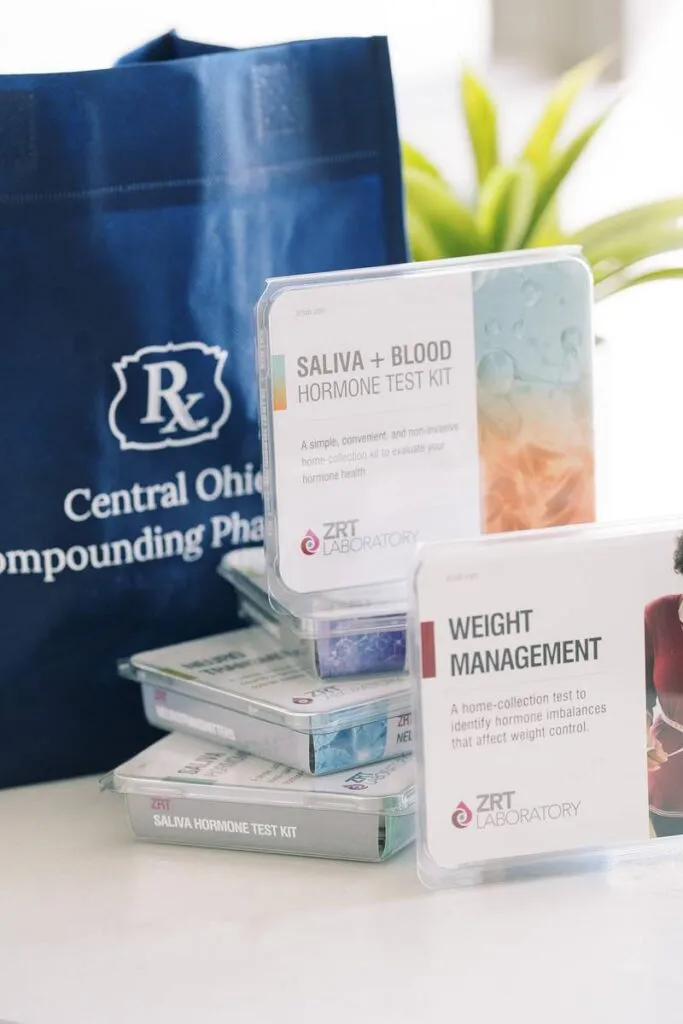
Hormone testing does not diagnose PMOS, but some patients may already be discussing hormone-related concerns with a clinician. Central Ohio Compounding Pharmacy offers an at-home hormone testing kit that measures selected sex, adrenal, and thyroid hormones.
Our hormone pharmacist can explain what the test includes and how the process works. The results provide additional hormone information that patients can discuss with the clinician overseeing their care.
When a Prescriber Needs a Customized Hormone Formulation
PMOS does not point to one standard compounded hormone prescription. If a licensed prescriber determines that a customized hormone formulation is appropriate, we prepare it according to the prescription.
Our broader Women’s Health Compounding Services include examples such as:
- Estrogen and progesterone preparations, when prescribed
- Bioidentical hormone formulations, when prescribed as part of an individualized hormone care plan
- Customized dosage forms, including prescribed capsules, creams, and other formulations

We collaborate with practitioners in Worthington, Columbus, and throughout Central Ohio. Through our Practitioner Resources, healthcare professionals can access women’s health prescription order forms and connect with our pharmacists about formulation questions.
Provider Note: Our pharmacists can discuss dosage form, strength, ingredient considerations, and other formulation details before the prescriber finalizes a compounded prescription.
Where Do Supplement Consultations Fit?
Some patients with PMOS already use nutritional supplements or may have questions about starting one.
Central Ohio Compounding Pharmacy offers supplement consultations to help patients review what they are taking or considering and prepare questions for the clinician guiding their care. Virtual or in-person consultations available.
Patients should discuss supplement changes with their healthcare provider, particularly when they also use prescription medications.
PMOS Pharmacy Support in Central Ohio
Since 1997, Central Ohio Compounding Pharmacy has prepared customized medications and collaborated with patients and healthcare professionals across Central Ohio.
Patients can visit our Worthington or Arena District locations in Columbus, while practitioners throughout the region can contact our pharmacists with formulation questions.
When you’re ready to talk through those questions one-on-one, we’re here to help.
Meet Lucy Andrews, PharmD
Ohio Hormone Specialist
Questions about hormone testing, supplements, or customized medication options to discuss with your prescriber? Schedule a private consultation with Lucy, our hormone pharmacist.

Frequently Asked Questions About PMOS and Compounding Pharmacy Support
Can a compounding pharmacy help with medications related to PMOS?
A compounding pharmacy may prepare customized medications for individuals whose prescription needs require an option that is not available through commercially manufactured products. For individuals managing complex hormonal or metabolic concerns, a provider may work with a compounding pharmacy to develop a prescription based on a patient’s specific needs.
What role does a compounding pharmacy play in PMOS care?
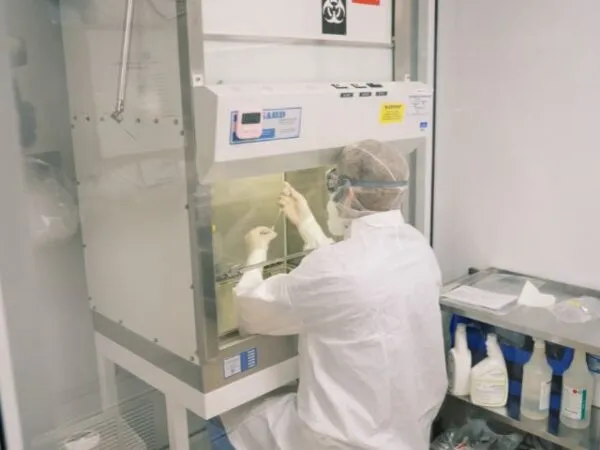
A compounding pharmacy works alongside healthcare providers by preparing medications according to an individual prescription. Depending on the provider’s recommendations, compounding may offer options such as customized strengths, dosage forms, or ingredient selections when commercially available medications are not suitable or available.
Can compounded medications support hormone-related care for PMOS?
Hormone-related care is highly individualized. When a healthcare provider determines that a compounded prescription is appropriate, a compounding pharmacy may prepare a medication according to the provider’s directions, including specific strengths or dosage forms selected for an individual patient.
Why might a provider consider a compounded medication for someone with PMOS-related concerns?
Providers may consider compounding when a patient needs a medication option that differs from available commercial products. Examples may include adjusting a dosage form, preparing a specific strength, or creating an option based on a patient’s prescription requirements.
What types of dosage forms can a compounding pharmacy prepare?
Depending on the medication and prescription requirements, compounding pharmacies may prepare various dosage forms, including capsules, topical preparations, oral liquids, troches, or other customized forms when appropriate.
Does a compounding pharmacy diagnose or treat PMOS?
No. A compounding pharmacy does not diagnose medical conditions or determine treatment plans. A licensed healthcare provider evaluates a patient’s health needs, provides the prescription, and works with the pharmacy when a customized medication is appropriate.
How does a provider work with a compounding pharmacy for PMOS-related prescriptions?
Healthcare providers and compounding pharmacists may collaborate to discuss prescription details, formulation considerations, dosage forms, and patient-specific needs. This partnership helps ensure the medication is prepared according to the provider’s prescription requirements.
References
- Endocrine Society. (2026, May 12). Polyendocrine Metabolic Ovarian Syndrome: New name to improve diagnosis and care of condition affecting 170 million women worldwide. Link
- Eunice Kennedy Shriver National Institute of Child Health and Human Development. (2026, July 2). How do health care providers diagnose PCOS? Link
- Teede, H. J., Khomami, M. B., Morman, R., Laven, J. S. E., Joham, A. E., Costello, M. F., Patil, M., Rees, D. A., Berry, L., Cree, M. G., Zhao, H., Norman, R. J., Dokras, A., Piltonen, T., & Global Name Change Consortium. (2026). Polyendocrine metabolic ovarian syndrome, the new name for polycystic ovary syndrome: A multistep global consensus process. The Lancet, 407(10545), 2329–2339. Link
- U.S. Food and Drug Administration. Human Drug Compounding Laws. Link