

BHRT BLOG SERIES
Navigating Hormonal Changes: Personalized Options for Women’s Wellness
By now, we know that perimenopause and menopause are about more than just hot flashes. As we’ve explored in this series, hormonal shifts impact everything from sleep to mood — and yes, your vaginal health and sex life, too.
In this fifth installment, we turn our attention to compounded DHEA vaginal gel. We’ll explore how this bioidentical hormone replacement therapy (BHRT) option works differently to support tissue health and why it might be the personalized solution you’ve been looking for.
Compounded DHEA Vaginal Gel: Vaginal Dryness, Vulvovaginal Atrophy and Dyspareunia
Dehydroepiandrosterone (DHEA) is a hormone precursor that can be converted into estrogens and androgens.
As mentioned previously, natural DHEA levels drop during menopause.

This hormonal shift may contribute to vulvovaginal atrophy, a condition in which vaginal tissues become thinner, drier, less elastic, and more fragile. As the tissue lining loses moisture and flexibility, irritation and inflammation may develop. For many women, these structural changes can lead to dyspareunia, or pain during intercourse, which may affect intimacy and overall quality of life.
Compounded DHEA vaginal gel is prescribed by women’s health specialists to provide this hormone precursor directly to the vaginal tissue. Once applied, the tissue converts DHEA into the hormones it needs locally. Because this approach focuses on localized support, it may help address symptoms associated with vulvovaginal atrophy and dyspareunia while limiting broader systemic hormone exposure.
“Intravaginal DHEA appears to be a safe and effective treatment for menopausal vulvovaginal atrophy and dyspareunia in most women.”
Source: Maturitas
An additional advantage of compounded DHEA therapy is its flexibility. A compounding pharmacist can adjust the strength based on a provider’s prescription and may combine DHEA with other ingredients when clinically appropriate. This individualized approach allows therapy to be aligned with a patient’s specific needs under the guidance of her healthcare provider.
DHEA Vaginal Gel is often prescribed to:
- Restore moisture and lubrication lost during menopause
- Thicken and strengthen fragile or sensitive vaginal tissue
- Relieve discomfort or pain during sexual activity (dyspareunia)
- Promote natural elasticity and tissue thickness
- Enhance overall sexual comfort and satisfaction
- Rebalance vaginal pH levels
Let’s go deeper into what exactly DHEA is doing in the body.

Breaking Down the Mechanism of Action of Vaginal DHEA
- Intracrine Conversion
- DHEA itself has weak direct hormonal activity.
- When administered vaginally, it is absorbed into the local vaginal epithelial cells.
- Inside these cells, DHEA is converted into:
- Estrogens (such as estradiol and estrone)
- Androgens (such as testosterone)
- Estrogens (such as estradiol and estrone)
- This process is called intracrine metabolism, meaning the hormone is converted and acts within the same cell without significant systemic circulation.
- DHEA itself has weak direct hormonal activity.
- Local Estrogenic Effects
The locally produced estrogens may:- Promote thickening of the vaginal epithelium
- Increase glycogen content in vaginal cells
- Support healthy vaginal pH
- Improve tissue elasticity and lubrication
- Promote thickening of the vaginal epithelium
- Local Androgenic Effects
The locally produced androgens may:- Support tissue tone and structural integrity
- Contribute to improved vaginal sensation and tissue responsiveness
- Support tissue tone and structural integrity
- Minimal Systemic Exposure
Because conversion primarily occurs within vaginal tissues:- Hormone activity is largely localized
- Serum hormone levels typically remain within postmenopausal ranges
- Systemic exposure is generally limited compared to oral hormone therapy
- Hormone activity is largely localized
While generally well-tolerated, intravaginal DHEA gel may cause mild local effects, including:
- Temporary irritation or discomfort after application
- Mild vaginal discharge
What Studies Say About DHEA Vaginal Gel
Peer-reviewed studies revealed how intravaginal DHEA gel may help in managing menopausal symptoms. From biomarkers to sexual function, DHEA intravaginal medication has shown potential in supporting women’s health.
Vaginal Biomarkers
A study in the journal Menopause explored the influence of intravaginal DHEA on vaginal parabasal, superficial cells and pH. Before menopause, superficial cells and intermediate cells dominate the vaginal tissue, but parabasal cells may increase in numbers once hormonal changes occur. Compared to placebo at 12 weeks, significant shifts were found: decreased parabasal cells, increased superficial cells, and lowered vaginal pH. Researchers noted that intravaginal delivery might provide relief of symptoms.
Dyspareunia and Vaginal Dryness
A randomized, double-blind, placebo-controlled phase III clinical trial published in Maturitas investigated the local beneficial effects of intravaginal DHEA. The targets included dyspareunia, vulvovaginal atrophy, and genitourinary syndrome of menopause (GSM). In the DHEA groups, outcomes measured at 12 weeks showed 27.7% less parabasal cells, 8.44% more superficial cells, 0.66 pH unit decrease in vaginal pH, and decreased dyspareunia score by 1.42, compared to placebo groups. Also, moderate-to-severe vaginal dryness improved by a 1.44 severity score unit in 84% of women.
Sexual Function
Meanwhile, the placebo-controlled, prospective, double-blind, and randomized study published in The Journal of Sexual Medicine assessed daily intravaginal DHEA for 12 weeks on sexual function. Investigators used the Female Sexual Function Index (FSFI) questionnaire and followed 482 women. Versus the placebo group, the DHEA group scored substantially higher on FSFI at 2.59 units, equivalent to 41.3% greater change. The women in the DHEA group noted improvement in pain, lubrication, orgasm, and satisfaction.
Hypothetical Scenarios: When Compounded DHEA Vaginal Gel is Appropriate for Women
For Patients
Audrey, 54
Audrey remains sexually active. However, she has noticed increasing vaginal dryness and irritation, making intimacy feel less comfortable than it used to. Even with lubricants, her vaginal tissues feel thinner, which sometimes makes sex feel abrasive. After her provider explained that menopause stops the natural renewal of vaginal cells, they suggested compounded DHEA vaginal gel. Her doctor explained that DHEA may help her body restore tissue thickness and natural moisture locally, rather than just masking the dryness.
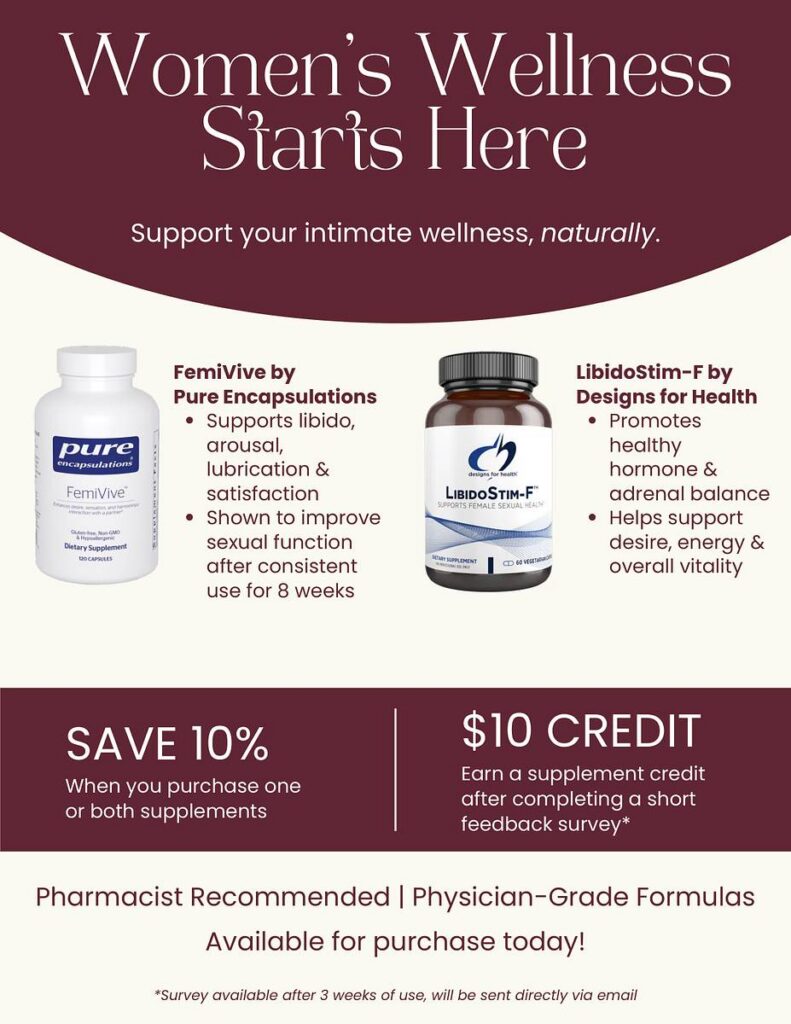
Beatrice, 58
Beatrice values closeness with her partner but has started to feel uneasy about sexual activity due to ongoing vaginal discomfort. Intercourse has become painful, and the anticipation of this pain has strained her sense of enjoyment and confidence. She tried OTC moisturizers, but they didn’t solve the underlying issue. During a doctor’s visit, her gynecologist explained the potential of compounded DHEA vaginal gel in helping tissue become plumper and healthier again to reduce pain and restore intimacy.
Miriam, 62
Miriam feels healthy and engaged in life, but menopause has brought physical changes that altered her sexual experience. She notices significantly less lubrication and a decline in sensation. When she talked about them with her doctor, the clinician detailed how DHEA works differently than standard moisturizers by converting into estrogens and androgens right inside the tissue. Her clinician later explained that a compounded DHEA vaginal gel may support not just comfort, but also the natural sensitivity and lubrication necessary for sexual satisfaction.
For Providers
Postmenopausal Vaginal Tissue Changes with Persistent Dryness and Irritation
A postmenopausal patient presents with ongoing vaginal dryness, irritation, or tissue sensitivity, interfering with comfort and sexual activity. She reported limited relief from nonprescription lubricants and expressed concern about declining vaginal health. The women’s health practitioner may consider compounded DHEA vaginal gel as potential support for local vaginal tissue health, vaginal environment, and overall relief.
Intimacy Discomfort Persisting Despite Preserved Sexual Interest
When a patient maintains sexual interest yet experiences discomfort during intercourse, the gynecologist may point toward localized vaginal tissue changes rather than psychosexual factors. With reports of reduced lubrication, sensitivity, and post-intercourse irritation affecting sexual satisfaction, the specialist offers the potential of compounded DHEA vaginal gel as an option for a comfortable sexual experience.
Managing Intolerance to Inactive Ingredients in Vaginal Therapies
Reports of burning, irritation, or lingering discomfort following use of standard vaginal products may be driven by sensitivity to inactive ingredients such as preservatives, stabilizers, or delivery bases. An integrative physician may consider compounded DHEA vaginal gel as a personalized option, allowing exclusion of specific excipients while maintaining localized hormonal support.
Supporting Women’s Hormones with Ohio’s DHEA Vaginal Gel Pharmacy
Menopause should not have to compromise your intimacy or romance. You have options available to help support a healthy and fulfilling sex life.
Through compounding, your provider works with our pharmacists to tailor a formula specifically for your body. We can remove ingredients that cause sensitivity, adjust the strength to a milder/stronger dose based on hormone levels or specific symptoms, or create a custom combination with other BHRT.

Our pharmacists are here to provide assistance and guide you through your options. By collaborating with your provider, we can aid in determining the ideal care plan that matches your lifestyle and needs. Because BHRT utilizes bioidentical hormones, compounded DHEA vaginal gel mimics the hormone your body naturally produces to support comfort and tolerability.
Your hormone levels are unique, so consult your healthcare provider to find a therapy designed specifically for you. Compounded therapy is highly personalized and needs the clinical guidance of a prescriber experienced in hormone health to ensure the optimal results.
Schedule a Private Hormone Consultation

Lucy Andrews, PharmD
Please schedule a virtual or in-person consultation with our hormone specialist, Lucy Andrews, PharmD.
We also offer educational resources to support informed, evidence-based care.
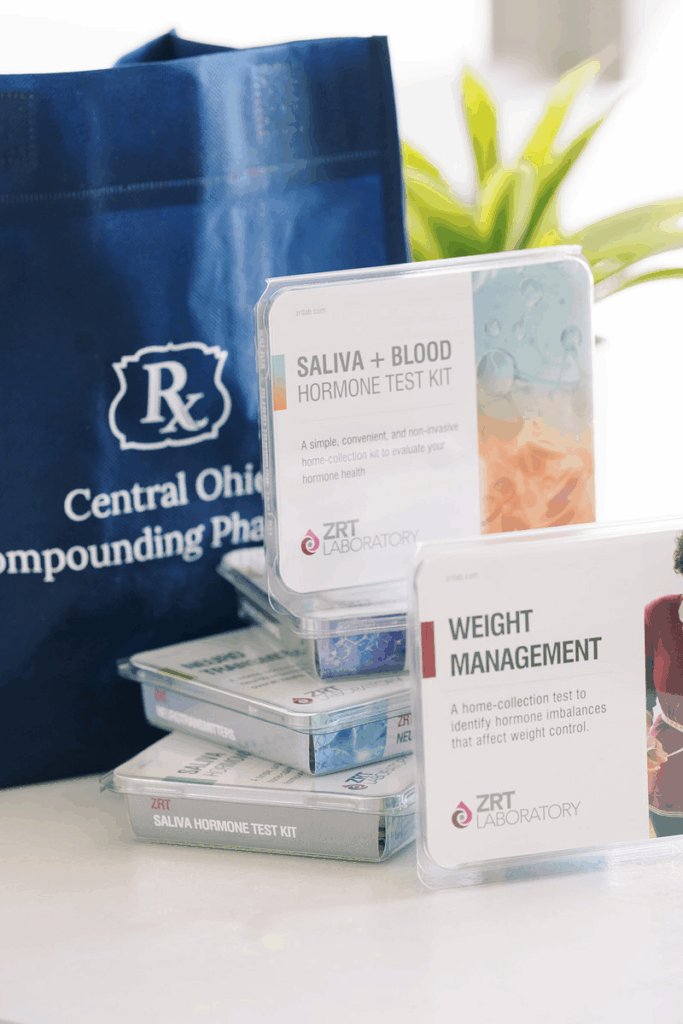
Now is the perfect time to assess your hormone levels (at-home saliva test kits available) and discuss advanced options to gain balance, address specific symptoms, and enhance quality of life.
Talk to your healthcare provider about whether Hormone Replacement Therapy is appropriate for you based on your symptoms, age, and health history.
Need a Referral to a Trusted Women’s Health Practitioner?
Check out our list of Ohio practitioners we know and trust.
For Prescribers: Navigating Optimal Patient Care
Prescribers looking to widen their therapeutic options for menopausal care may consider compounded DHEA vaginal gel. This method offers an approach for patients who need an alternative to oral medications or require a formulation that fits their lifestyle.
Our BHRT compounding services allow providers to customize therapies to patient priorities. We are here to support that process with high-quality personalized formulations. Please reach out to discuss how we can help you optimize your care plans.
How to Prescribe: Central Ohio Compounding Pharmacy RX Order Form
To make the prescribing process simple, Central Ohio Compounding Pharmacy provides an easy-to-use RX order form listing all available strengths of topical compounded testosterone vaginal cream, as well as other BHRT options. Prescribers can simply check the desired strength (mg/mL) and quantity (mL), then fax in the form directly to the pharmacy.
This streamlined process ensures accuracy, convenience, and quick turnaround times for both patients and providers.
In the News: Updated FDA Guidance on Hormone Therapy
The FDA has revised its hormone therapy labeling by taking out the black box warning. This adjustment is based on the latest research and expert evaluations indicating that, with appropriate prescribing, hormone therapy is considered safe and may help support women’s overall health.
Stay Tuned for the Next Installment in Our BHRT Blog Series
Coming Soon: Part 6: Topical Testosterone Cream for Women: A Personalized Approach to Hormonal Wellness
In Part 6 of our BHRT Menopause Series, we’ll discuss Topical Testosterone Cream for Women and how this option may help in hormonal wellness and overall quality of life.
Part 1: Understanding Oral Progesterone SR Capsules for Perimenopausal Sleep & Mood Support
Part 2: Progesterone Cream: A Topical Approach to Hormonal Balance
Part 3: Estriol-Estradiol Vaginal Cream for Vaginal Atrophy and Dryness
Part 4: Testosterone Vaginal Cream for Energy, Libido, and Tissue Health
Part 6: Topical Testosterone Cream for Women: A Personalized Approach to Hormonal Wellness
References
- Labrie, F., Archer, D., & Portman, D. (2015). Efficacy of intravaginal dehydroepiandrosterone (DHEA) on moderate to severe dyspareunia and vaginal dryness, symptoms of vulvovaginal atrophy. Maturitas, 82(3), 315–316. Link
- Labrie, F., Archer, D., Bouchard, C., Fortier, M., Cusan, L., Gomez, J., Girard, G., Baron, M., Ayotte, N., Moreau, M., Dubé, R., Côté, I., Labrie, C., Lavoie, L., Berger, L., Gilbert, L., Martel, C., & Balser, J. (2009). Intravaginal dehydroepiandrosterone (Prasterone), a physiological and highly efficient treatment of vaginal atrophy. Menopause the Journal of the North American Menopause Society, 16(5), 907–922. Link
- Labrie, F., Derogatis, L., Archer, D. F., Koltun, W., Vachon, A., Young, D., Frenette, L., Portman, D., Montesino, M., Côté, I., Parent, J., Lavoie, L., Beauregard, A., Martel, C., Vaillancourt, M., Balser, J., & Moyneur, É. (2015). Effect of Intravaginal Prasterone on Sexual Dysfunction in Postmenopausal Women with Vulvovaginal Atrophy. The Journal of Sexual Medicine, 12(12), 2401–2412. Link
- Panjari, M., & Davis, S. R. (2011). Vaginal DHEA to treat menopause related atrophy: a review of the evidence. Maturitas, 70(1), 22-25. Link
- Raven, P. W., & Hinson, J. P. (2007). Dehydroepiandrosterone (DHEA) and the menopause: an update. Menopause International, 13(2), 75-78. Link
- Sauer, U., Talaulikar, V., & Davies, M. C. (2018). Efficacy of intravaginal dehydroepiandrosterone (DHEA) for symptomatic women in the peri-or postmenopausal phase. Maturitas, 116, 79-82. Link
- Wang, J., & Wang, L. (2021). The therapeutic effect of dehydroepiandrosterone (DHEA) on vulvovaginal atrophy. Pharmacological Research, 166, 105509. Link