

BHRT BLOG SERIES
Navigating Hormonal Changes: Personalized Options for Women’s Wellness
Menopause and perimenopause are natural life stages that may significantly impact not only a woman’s reproductive hormones but also her overall comfort and quality of life. Common symptoms may include hot flashes, night sweats, mood fluctuations, sleep disturbances, and decreased libido. However, what often receives less attention is how these hormonal changes may also affect the integrity of vaginal tissues—leading to issues such as dryness, thinning, and discomfort during intimacy or even daily activities.
In the fourth installment of our BHRT Blog Series, we’ll explore the role of testosterone, a hormone often associated with men, but also naturally produced in smaller amounts in women, supporting vaginal tissue health. We’ll examine how compounded testosterone creams may be used under medical supervision to help address these changes and why it’s important to consider its potential role alongside other hormonal therapies.
While typically known as a male sex hormone, women also produce testosterone via the ovaries, adrenal glands, and peripheral tissues, making it essential to female health as well.
Low levels of testosterone may affect your libido, bone and muscle health, mood and energy, and estrogen balance. During menopause or perimenopause, this hormone may drop substantially, disrupting your everyday life.
Furthermore, several studies show testosterone plays a role in maintaining vaginal structure, function, and sexual health, particularly in the context of androgen deficiency during menopause.

- Androgens like testosterone (T) directly affect vaginal tissue health, independently of estrogen conversion.
- Testosterone receptors and synthesis enzymes are present in the vaginal tissue, showing it is both a target and source of androgens.
- T is important for:
- Maintaining vaginal tissue integrity (smooth muscle, collagen, mucosal health).
- Supporting vascular and neural function that impacts arousal and lubrication.
- Modulating pain, inflammation, and mucin production (important for moisture and barrier protection).
- T deficiency contributes to vulvovaginal atrophy (VVA) and genitourinary syndrome of menopause (GSM), leading to symptoms like dryness, pain, and reduced arousal.
Preclinical and clinical evidence suggests that testosterone therapy may help alleviate these symptoms, particularly in women who do not respond to estrogen alone or prefer a non-estrogen option.
Source: Sexual Medicine Reviews
How Bioidentical Hormone Replacement Therapy (BHRT) May Help with Testosterone Deficiency
Through Bioidentical Hormone Replacement Therapy (BHRT), a therapy using hormones that are chemically identical to those the body naturally produces to help manage hormonal imbalances, compounded testosterone vaginal cream offers customized and targeted support. Thanks to compounding, prescribers work with pharmacists to formulate precise strengths designed for their patients’ individual needs. Hormone testing is recommended to get a comprehensive breakdown of women’s hormone levels, allowing for developing the most appropriate strengths/dosing.
“Testosterone has important direct urogenital effects in women, and low-dose [intravaginal testosterone] offers a therapeutic approach to alleviate vaginal dryness and dyspareunia and improve sexual well-being in women taking an [aromatase inhibitor].”
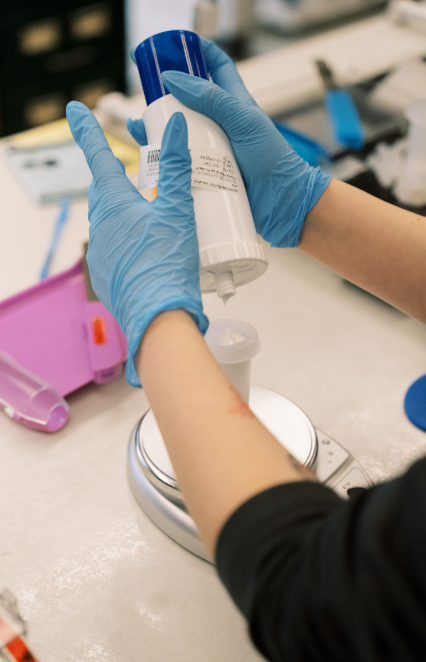
Compounded Testosterone Vaginal Cream for Women in Menopause or Perimenopause
Applied vaginally at microdoses, testosterone vaginal cream may help sexual wellness and tissue sensitivity in menopausal women. Many practitioners prescribe it for their female patients experiencing hormone imbalances with specific symptoms.
Topical Testosterone Vaginal Cream May Help With:
- Dryness and irritation of the vagina
- Natural flora of the vagina
- Distress during sexual activity
- Painful sexual intercourse
- Sexual satisfaction
- Vaginal pH
What Research Says About Testosterone Vaginal Cream
Peer-reviewed studies highlight the potential benefits of testosterone vaginal cream in the mechanisms of menopausal symptoms.
In a randomized clinical trial published in Menopause, researchers assessed testosterone as a therapeutic option for vaginal atrophy. A total of 80 menopausal women were randomly assigned to topical vaginal estrogen, testosterone, polyacrylic acid, and placebo lubricant. Therapies were applied three times a week for 12 weeks. Results showed supportive effects in increased vaginal score, less than 5 vaginal pH level, and higher numbers of lactobacilli in the vagina. 12 weeks of topical testosterone among participants demonstrated laboratory and endometrial safety when compared with placebo.
Another study published in The Journal of Clinical Endocrinology & Metabolism investigated intravaginal testosterone (IVT) as potential therapy for vulvovaginal atrophy (VVA) associated with aromatase inhibitor (AI) use. In a double-blind, randomized, placebo-controlled trial, 44 women were randomly assigned to groups. After 26 weeks, scores showed that supported effects of IVT cream on vaginal dryness, sexual concerns, sexual responsiveness, and dyspareunia.
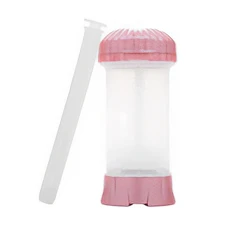
What is an aromatase inhibitor (AI)?
“Aromatase inhibitors (AI) block the last enzymatic step of estrogen production, the aromatization of the A-cycle of aromatizable androgens and particularly, androstenedione (Δ4) and testosterone (T).”
A systematic review published in Menopause examined the potential of IVT for VVA in women, in general, and in those taking AI. After reviewing six clinical trials obtained from Scopus, MEDLINE, EMBASE, and the Cochrane Library databases, the studies suggested that testosterone support may lower vaginal pH, increase vaginal lactobacilli, and possibly improve vaginal maturation index.
A recent systematic review published in the Annals of Internal Medicine evaluated treatment options for genitourinary syndrome of menopause (GSM), including hormone-based therapies such as vaginal testosterone, acknowledging its potential role in managing symptoms like dryness and pain.
Hypothetical Scenarios: Women Who May Find Relief with Compounded Testosterone Vaginal Cream Support
For Patients:
Camille, 54:
Camille has been postmenopausal for a few years and remains sexually active, but she has noticed increasing vaginal dryness and irritation, making intimacy feel less comfortable than it used to. Even with lubricants, her vaginal tissues felt more sensitive and less resilient, which made sex feel more distracting than enjoyable. After her provider explained that menopause can affect vaginal tissue health, they suggested compounded testosterone vaginal cream, which may help with moisture, tissue comfort, and a healthier vaginal environment.
Now, a few months into using the compounded cream, Camille reports noticeable improvement in moisture and resilience. Intimacy has become more comfortable again, and she feels more confident and relaxed in her body.
Brooke, 58:
Brooke values closeness with her partner but had started to feel uneasy about sexual activity due to ongoing vaginal discomfort. Intercourse was sometimes painful, and the anticipation of discomfort strained her sense of enjoyment and confidence. Looking for a localized option focused on vaginal support, she learned about compounded medications. During a doctor’s visit, her gynecologist explained the potential role of compounded testosterone vaginal cream in improving comfort, vaginal pH balance, and distress associated with intimacy.
Since starting treatment, Brooke has noticed a significant decrease in discomfort and irritation. She and her partner have resumed intimacy without the fear of pain, and she describes feeling “like herself again.”
Sofia, 62:
Sofia feels healthy and engaged in life, but menopause brought subtle physical changes that altered her sexual experience. She noticed less lubrication, changes in vaginal comfort, and a decline in sexual satisfaction. When she brought this up with her doctor, the clinician detailed testosterone’s possible role in vaginal tissue health and sexual response. Her provider later explained how compounded testosterone vaginal cream may support comfort in her intimate life.
Sofia now shares that her symptoms have improved notably—she experiences less dryness and discomfort, and her sense of connection and pleasure during intimacy has returned.
Elena, 45 (Perimenopausal)
Elena is in the midst of perimenopause and has started to notice changes in her menstrual cycle, mood shifts, and occasional hot flashes. One unexpected change was increased vaginal dryness, even though she is still menstruating. This caused discomfort during intimacy and even while exercising. During her wellness visit, her provider explained that hormonal fluctuations during perimenopause can begin to affect vaginal tissue—sometimes years before periods fully stop. They discussed using a compounded low-dose testosterone vaginal cream to support tissue integrity and hydration.

After using the compounded cream regularly, Elena reports that not only has the dryness eased, but she also feels more in control of her changing body. The proactive approach has helped her stay connected to her partner and more at ease navigating this transition.
For Providers: Clinical Scenarios for Vaginal Testosterone Use
Postmenopausal Vaginal Atrophy Unresponsive to Estrogen Alone
Patient: 62-year-old postmenopausal woman with persistent vaginal dryness, burning, and dyspareunia
History: Previously tried vaginal estradiol, which helped slightly but did not fully relieve symptoms
Rationale: Vaginal testosterone may help promote tissue elasticity, collagen synthesis, and vascularity, especially when estrogen alone is not effective. It may also enhance libido and genital sensitivity.
Treatment: Compounded low-dose vaginal testosterone (e.g., 0.5–2 mg per application, 3–5x/week)
Perimenopausal Women with Vaginal Dryness Despite Regular Periods
Patient: 46-year-old still menstruating but with irregular cycles, increasing vaginal dryness, irritation during exercise, and painful intercourse
History: No contraindications for hormone therapy; labs show fluctuating estrogen, borderline low free testosterone
Rationale: In perimenopause, androgen levels may drop earlier than estrogen. Vaginal testosterone may support mucosal health and comfort without disrupting menstrual patterns.
Treatment: Local testosterone cream may be initiated without systemic hormonal exposure.
Cancer Survivors with Contraindications to Estrogen Therapy
Patient: 58-year-old breast cancer survivor (ER+/PR+), currently on aromatase inhibitor therapy
Symptoms: Severe vaginal dryness, painful sex, and recurrent UTIs
Rationale: Estrogen therapy is contraindicated. Vaginal testosterone (especially when monitored for systemic absorption) may provide symptom relief by improving urogenital tissue integrity, without stimulating systemic estrogen receptors.
Treatment: Compounded vaginal testosterone with provider monitoring and urologist or oncologist coordination as needed
Genitourinary Syndrome of Menopause (GSM) with Recurrent UTIs
Patient: 67-year-old with chronic UTI, urinary urgency, and vaginal dryness
History: No vaginal hormone therapy yet tried
Rationale: Vaginal testosterone may improve urethral tone, support healthy microbiota, and reduce atrophic changes contributing to recurrent infections. May be combined with vaginal DHEA or estrogen if appropriate.
Treatment: Testosterone vaginal cream as part of a local hormone restoration plan
Provider Considerations
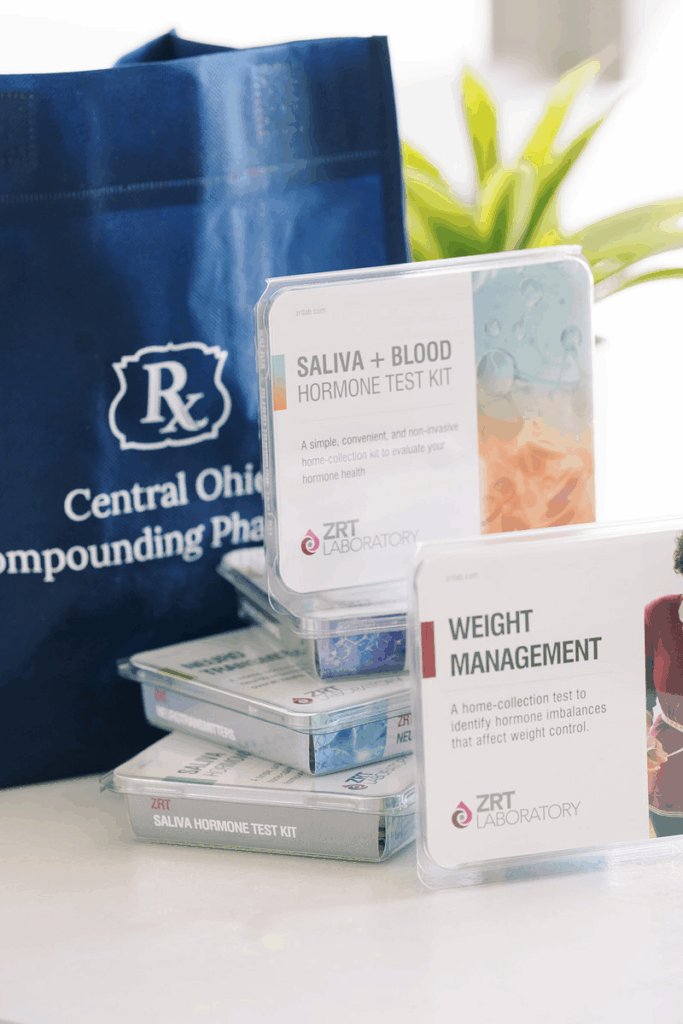
- Always assess baseline hormone levels. Testing kits available.
- Avoid systemic absorption in estrogen-sensitive patients by applying strictly intra-vaginally (not on external skin unless desired).
- Educate patients on realistic timelines — tissue improvement may take several weeks.
Monitor for signs of androgen excess (e.g., irritation, hair growth, voice changes), though rare at vaginal doses.
Considering Topical Testosterone Vaginal Cream for Women’s Individual Needs
Perimenopause or menopause shouldn’t dictate your sexual life. Using topical testosterone vaginal cream may provide you with the needed relief.
Compounding allows providers to customize the strength and components of the topical/vaginal cream. This way, your sensitivities, specific needs, and symptoms are considered in the formulations. Personalization may offer a gentler way to manage your challenges.

Our pharmacists are here to provide assistance and help you understand your options. By collaborating with your provider, we aid in determining the most optimal care plan that matches your lifestyle and needs. And since BHRT uses bioidentical hormones, compounded topical testosterone vaginal cream matches the hormone your body naturally produces, which may help with tolerability.
Always consult your healthcare provider to check your hormone levels and determine the best therapy specifically designed for you. Compounded therapy is highly personalized and must be clinically guided by a prescriber with experience in hormone health.

Lucy Andrews, PharmD
Please schedule a virtual or in-person consultation with our hormone specialist, Lucy Andrews, PharmD.
We also offer educational resources to support informed, evidence-based care.
Now is the perfect time to assess your hormone levels (at-home saliva test kits available) and discuss advanced options to gain balance, address specific symptoms, and enhance quality of life.
Talk to your healthcare provider about whether Hormone Replacement Therapy is appropriate for you based on your symptoms, age, and health history.
Need a Referral to a Trusted Women’s Health Practitioner?
Check out our list of Ohio practitioners we know and trust.
For Prescribers: Optimizing Therapeutic Strategies
Prescribers seeking to expand their therapeutic options for women in perimenopause or menopause may discover the potential of compounded testosterone vaginal cream in personalized care plans. The transdermal route offers an alternative for your patients avoiding oral forms, specific components, or looking for another way that works with their lifestyle.
Compounded testosterone vaginal cream is available in custom mg/mL dosage strengths specified by prescribers. Instruction for use: apply 0.1 mL into the inner labia once daily. The prescription is dispensed in mL, also determined by prescribers.
BHRT offers providers the opportunity to tailor therapy plans that truly reflect their patients’ needs and priorities. Our team supports this process with personalized formulations that follow the latest clinical guidance. Let us know how we can help as you determine the next steps
How to Prescribe: Central Ohio Compounding Pharmacy RX Order Form
To make the prescribing process simple, Central Ohio Compounding Pharmacy provides an easy-to-use RX order form listing all available strengths of topical compounded testosterone vaginal cream, as well as other BHRT options. Prescribers can simply check the desired strength (mg/mL) and quantity (mL), then fax in the form directly to the pharmacy.
This streamlined process ensures accuracy, convenience, and quick turnaround times for both patients and providers.
In the News: Updated FDA Guidance on Hormone Therapy
The FDA has revised its hormone therapy labeling by taking out the black box warning. This adjustment is based on the latest research and expert evaluations indicating that, with appropriate prescribing, hormone therapy is considered safe and may help support women’s overall health.
Stay Tuned for the Next Installment in Our BHRT Blog Series
Coming Soon: Part 5: DHEA Vaginal Gel: A Compounded Option for Vaginal Dryness and Hormonal Support
In Part 5 of our BHRT Menopause Series, we’ll talk about DHEA Vaginal Gel and how this option may help with vaginal dryness and hormonal balance.
Part 1: Understanding Oral Progesterone SR Capsules for Perimenopausal Sleep & Mood Support
Part 2: Progesterone Cream: A Topical Approach to Hormonal Balance
Part 3: Estriol-Estradiol Vaginal Cream for Vaginal Atrophy and Dryness
Part 5: DHEA Vaginal Gel: A Compounded Option for Vaginal Dryness and Hormonal Support
Part 6: Topical Testosterone Cream for Women: A Personalized Approach to Hormonal Wellness
References
- Bell, R. J., Rizvi, F., Islam, R. M., & Davis, S. R. (2017b). A systematic review of intravaginal testosterone for the treatment of vulvovaginal atrophy. Menopause the Journal of the North American Menopause Society, 25(6), 704–709. Link
- Danan, E. R., Sowerby, C., Ullman, K. E., Ensrud, K., Forte, M. L., Zerzan, N., … & Diem, S. (2024). Hormonal treatments and vaginal moisturizers for genitourinary syndrome of menopause: a systematic review. Annals of internal medicine, 177(10), 1400–1414. Link
- Davis, S. R., Robinson, P. J., Jane, F., White, S., White, M., & Bell, R. J. (2018). Intravaginal testosterone improves sexual satisfaction and vaginal symptoms associated with aromatase inhibitors. The Journal of Clinical Endocrinology & Metabolism, 103(11), 4146–4154. Link
- de Ziegler, D., Mattenberger, C., Luyet, C., Romoscanu, I., Irion, N. F., & Bianchi-Demicheli, F. (2005). Clinical use of aromatase inhibitors (AI) in premenopausal women. The Journal of steroid biochemistry and molecular biology, 95(1-5), 121-127. Link
- Fernandes, T., Costa-Paiva, L. H., Pedro, A. O., Baccaro, L. F. C., & Pinto-Neto, A. M. (2016). Efficacy of vaginally applied estrogen, testosterone, or polyacrylic acid on vaginal atrophy: a randomized controlled trial. Menopause the Journal of the North American Menopause Society, 23(7), 792–798. Link
- Maseroli, E., & Vignozzi, L. (2020). Testosterone and vaginal function. Sexual Medicine Reviews, 8(3), 379–392. Link
- Low testosterone in women. (2025, December 8). Cleveland Clinic. Link